
Artist overview
Artworks
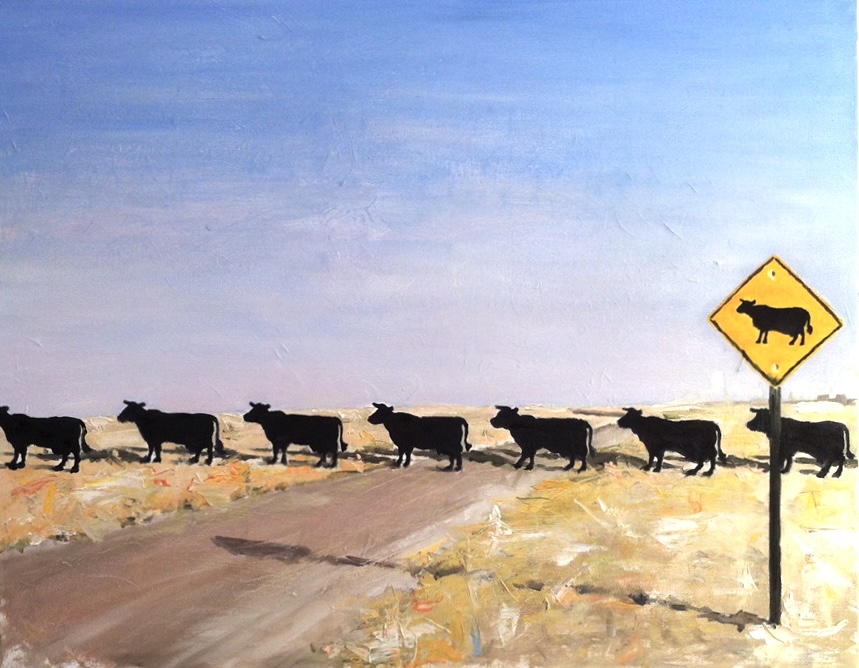
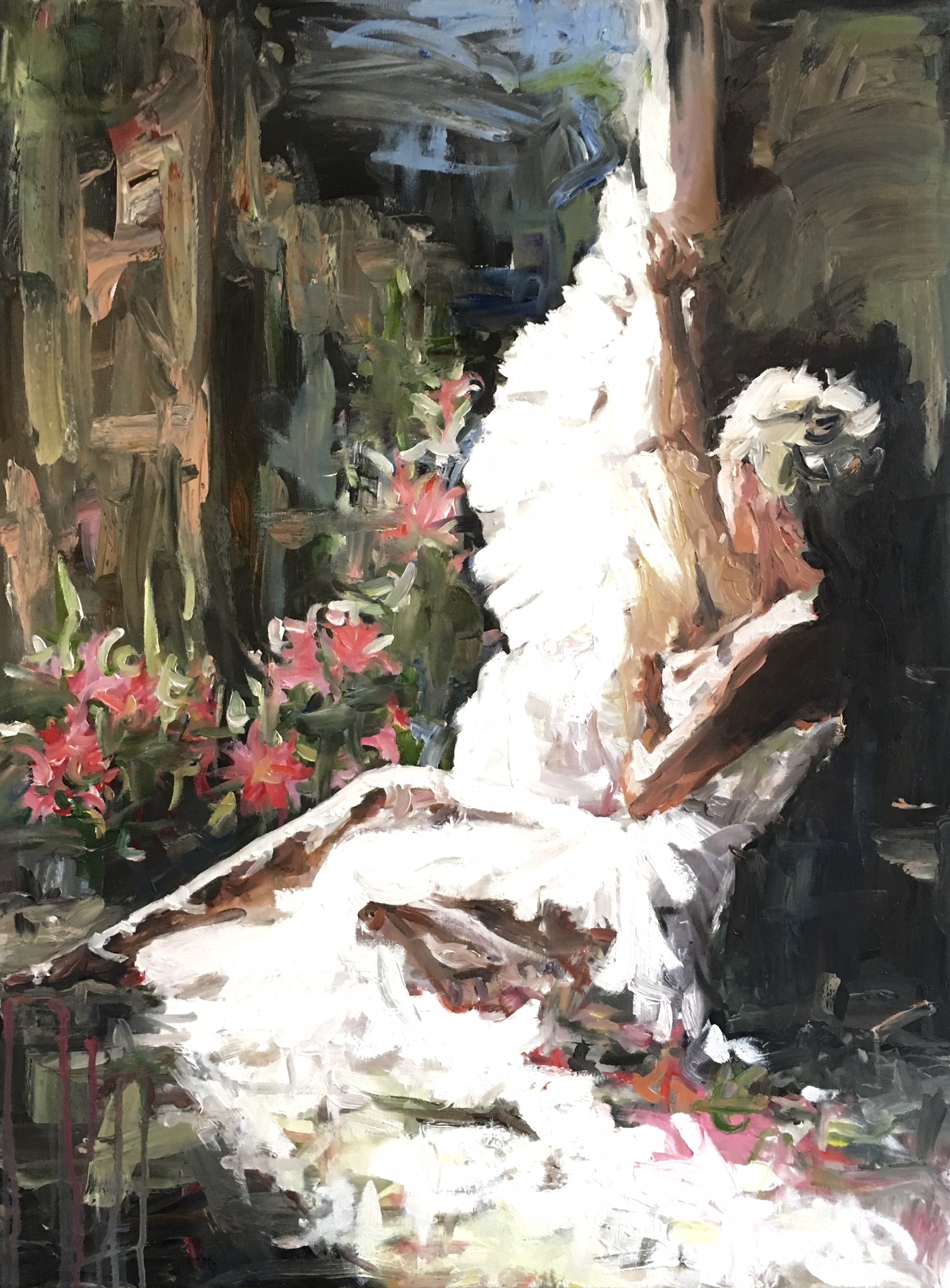

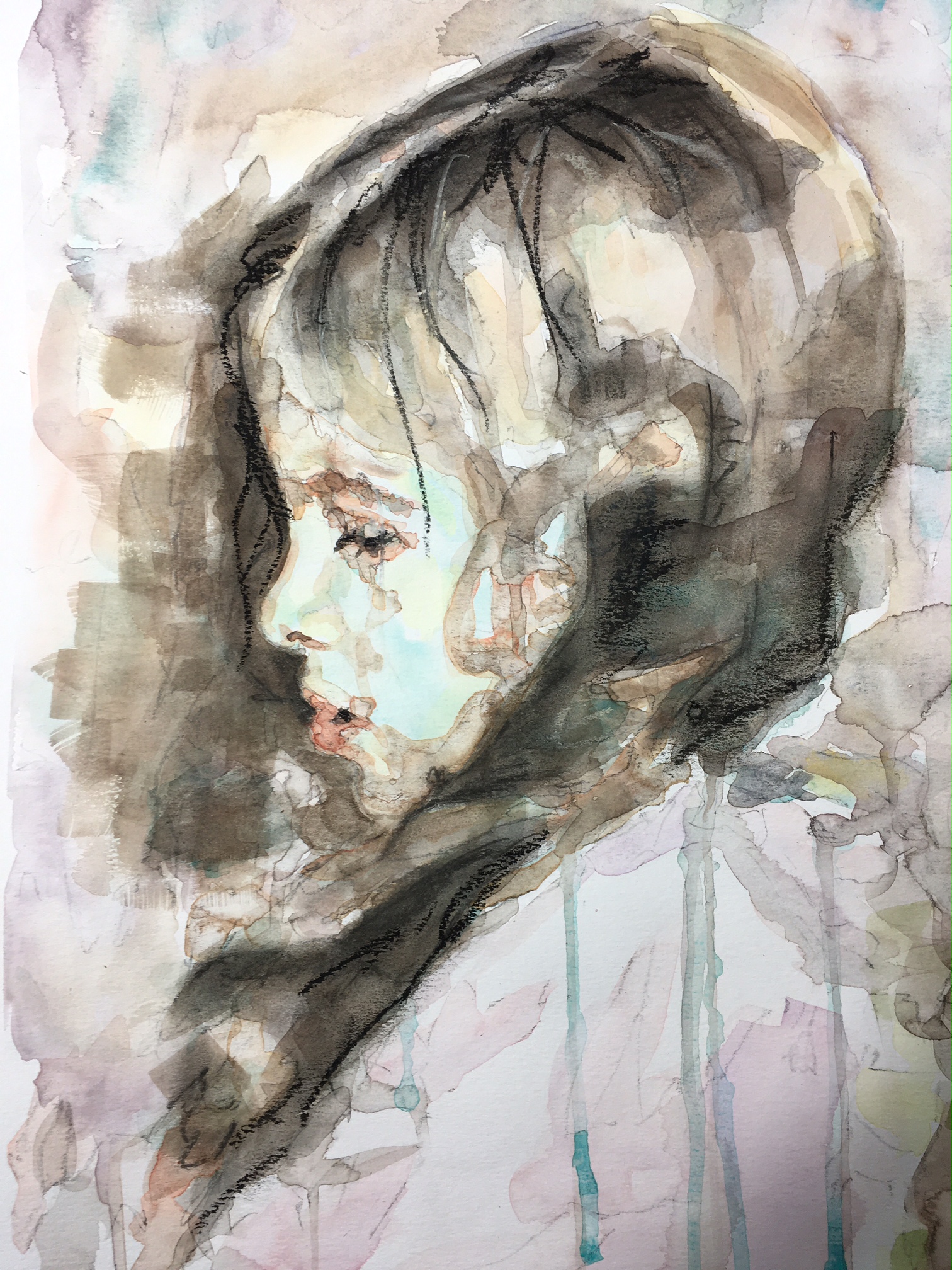
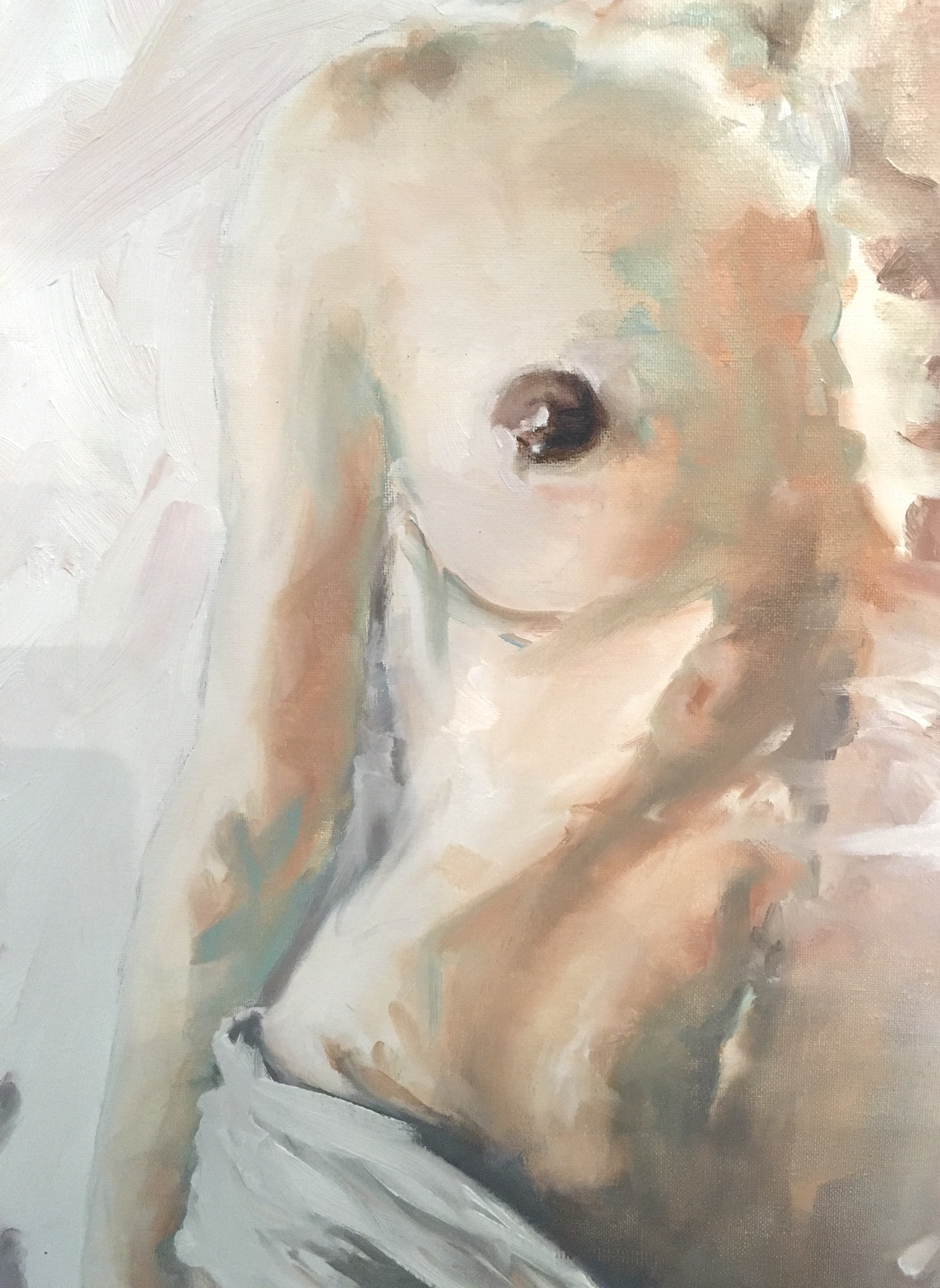
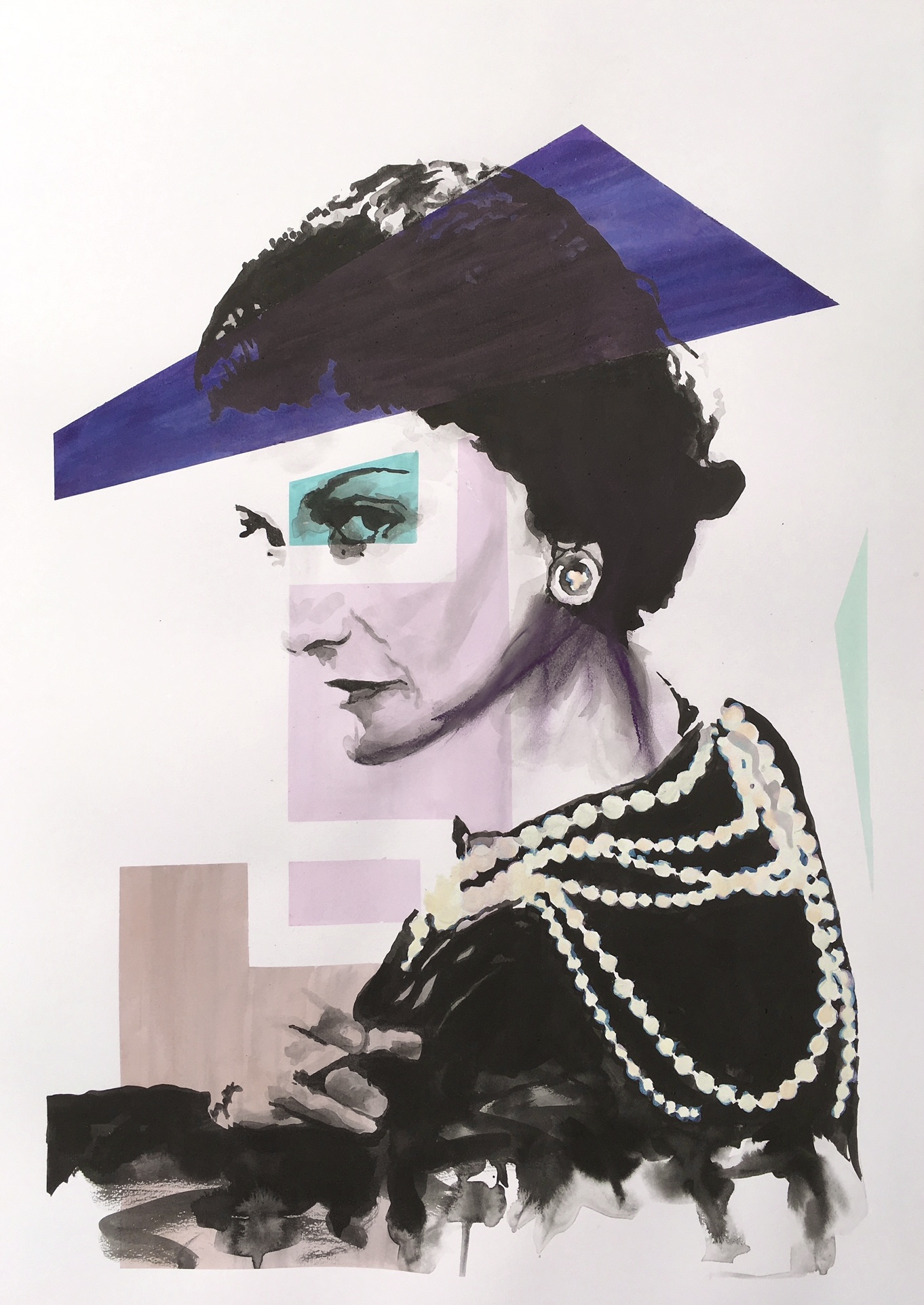
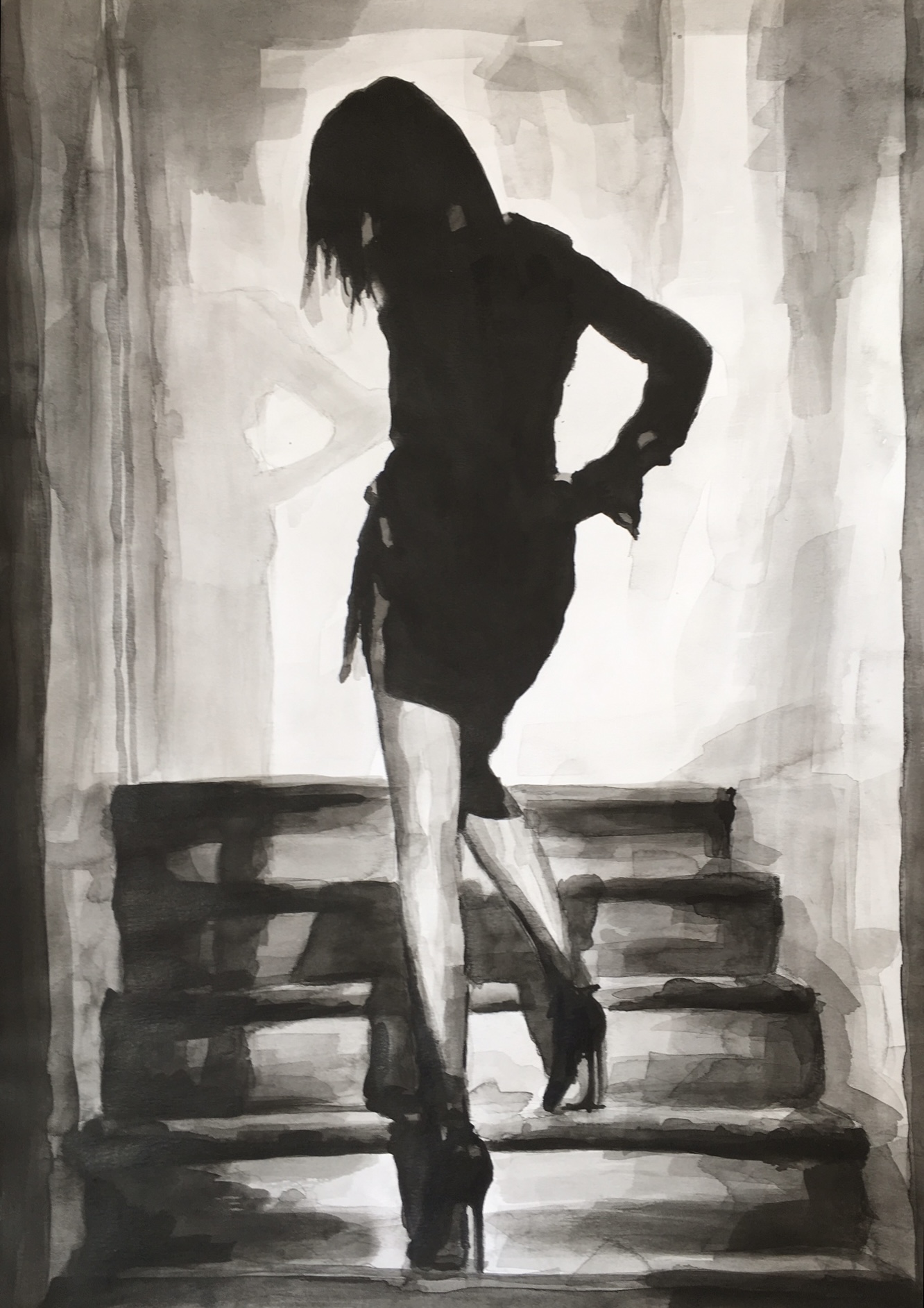
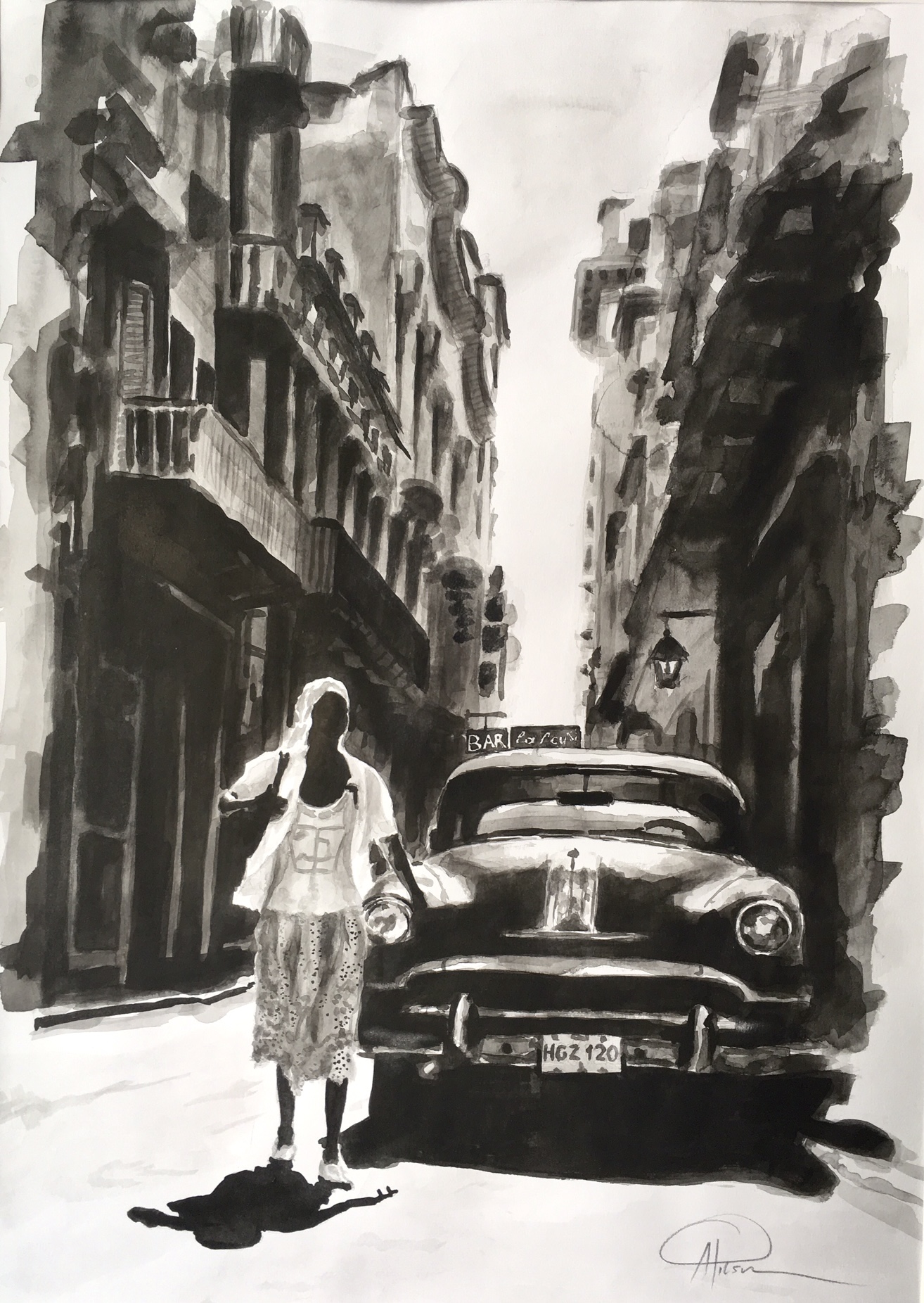
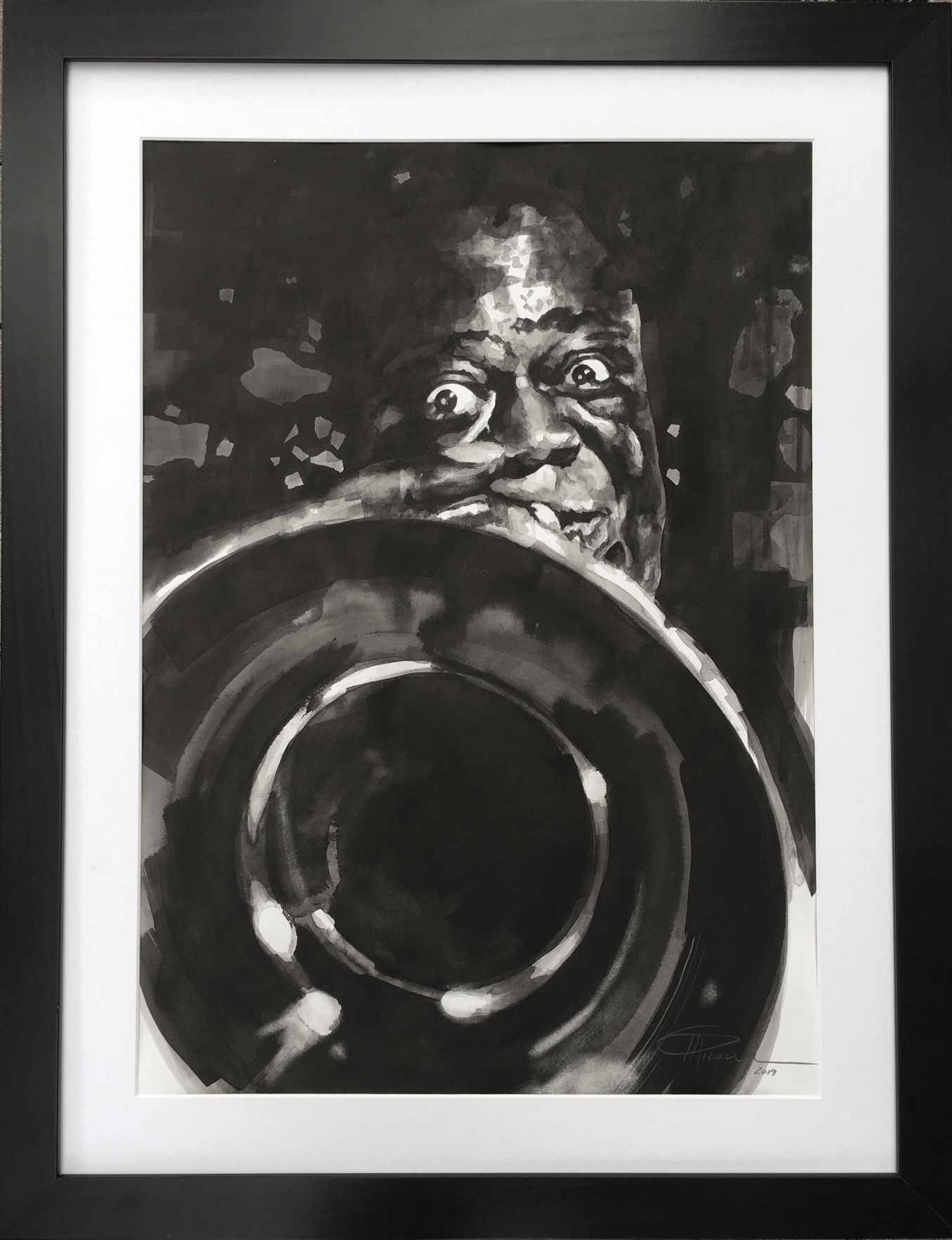
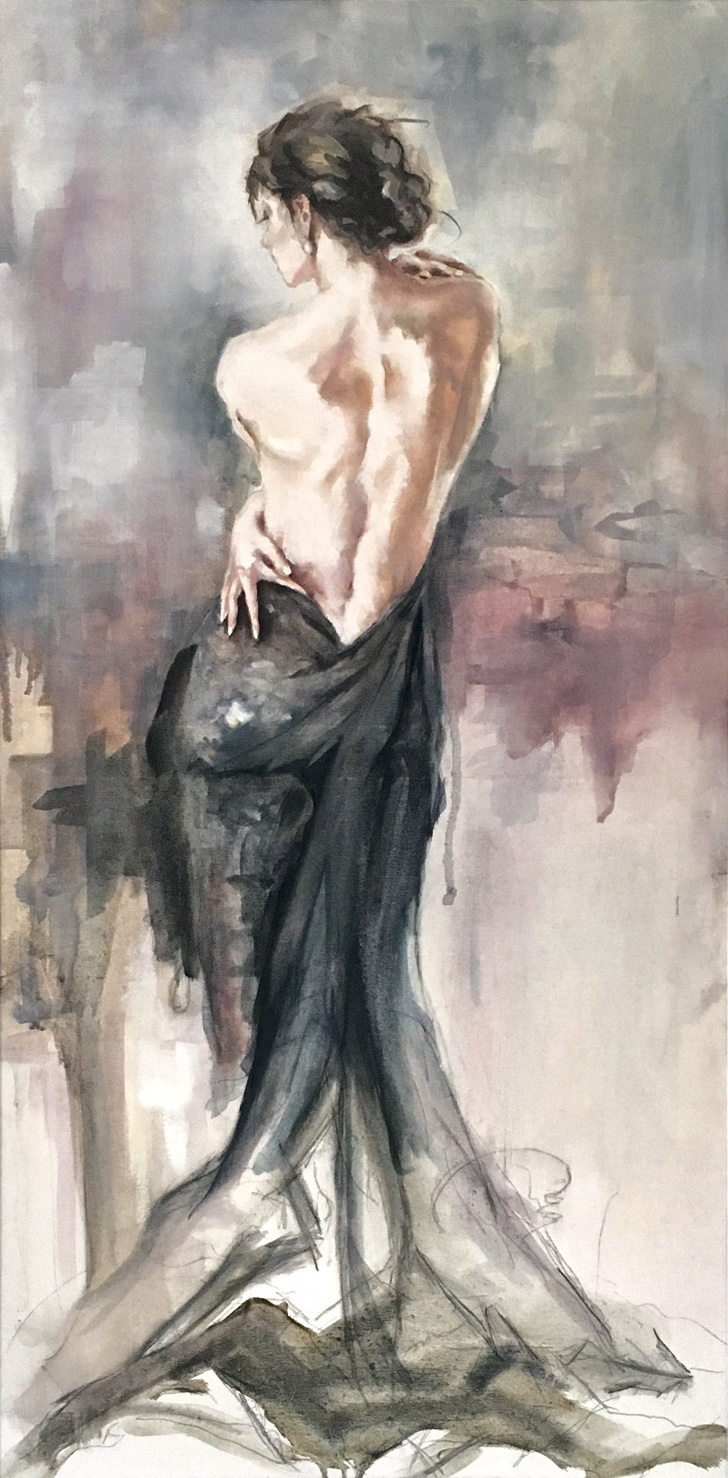
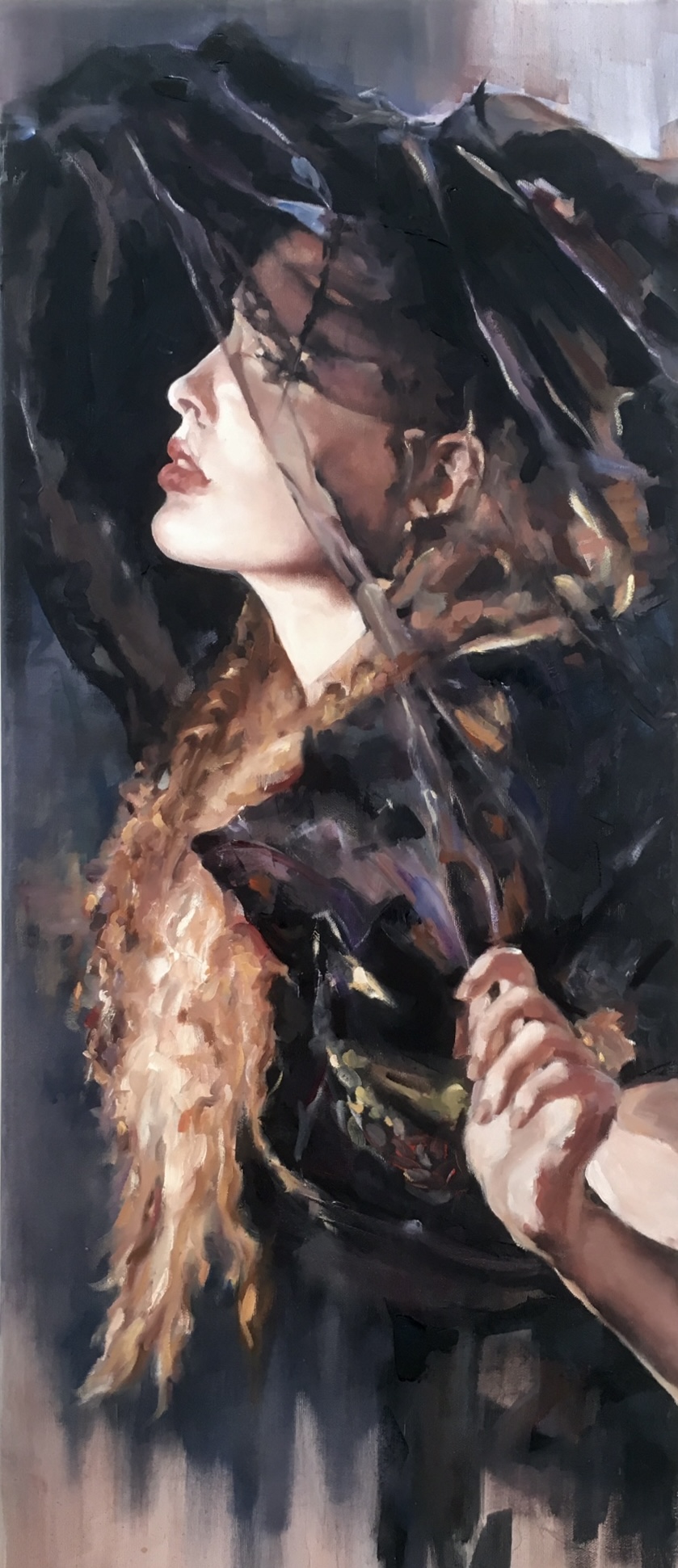
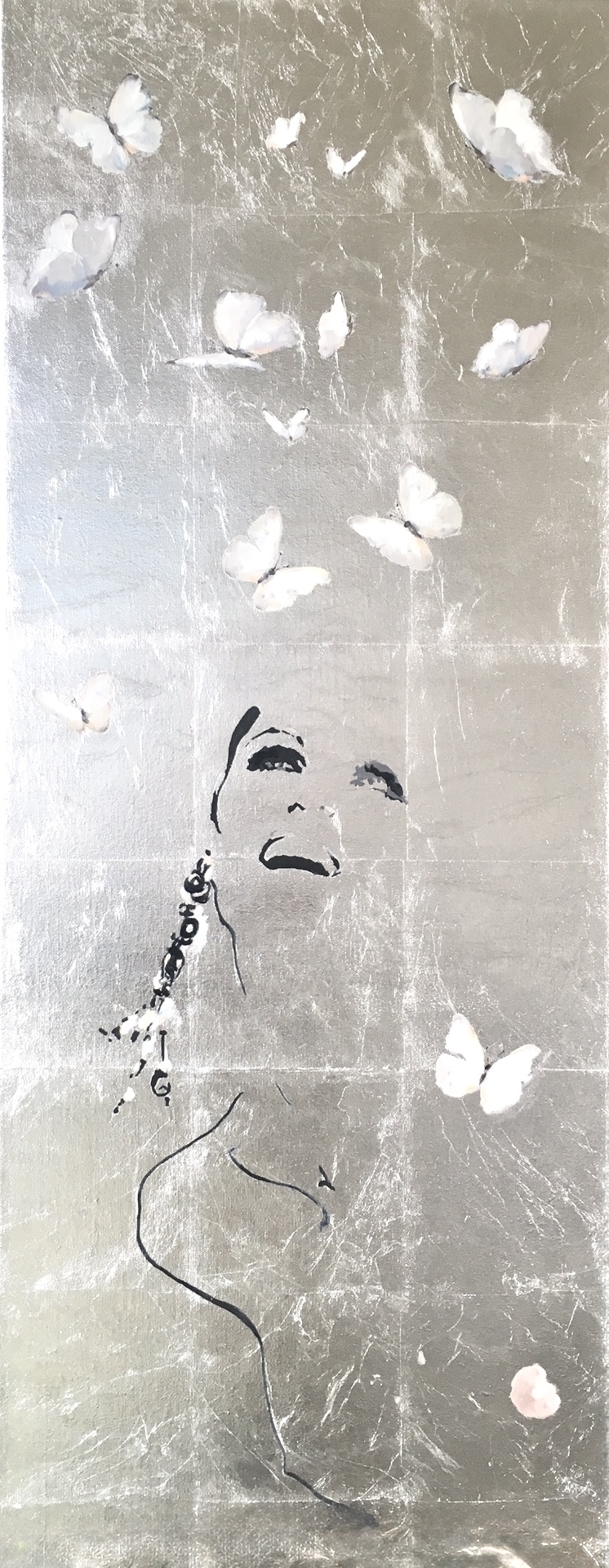
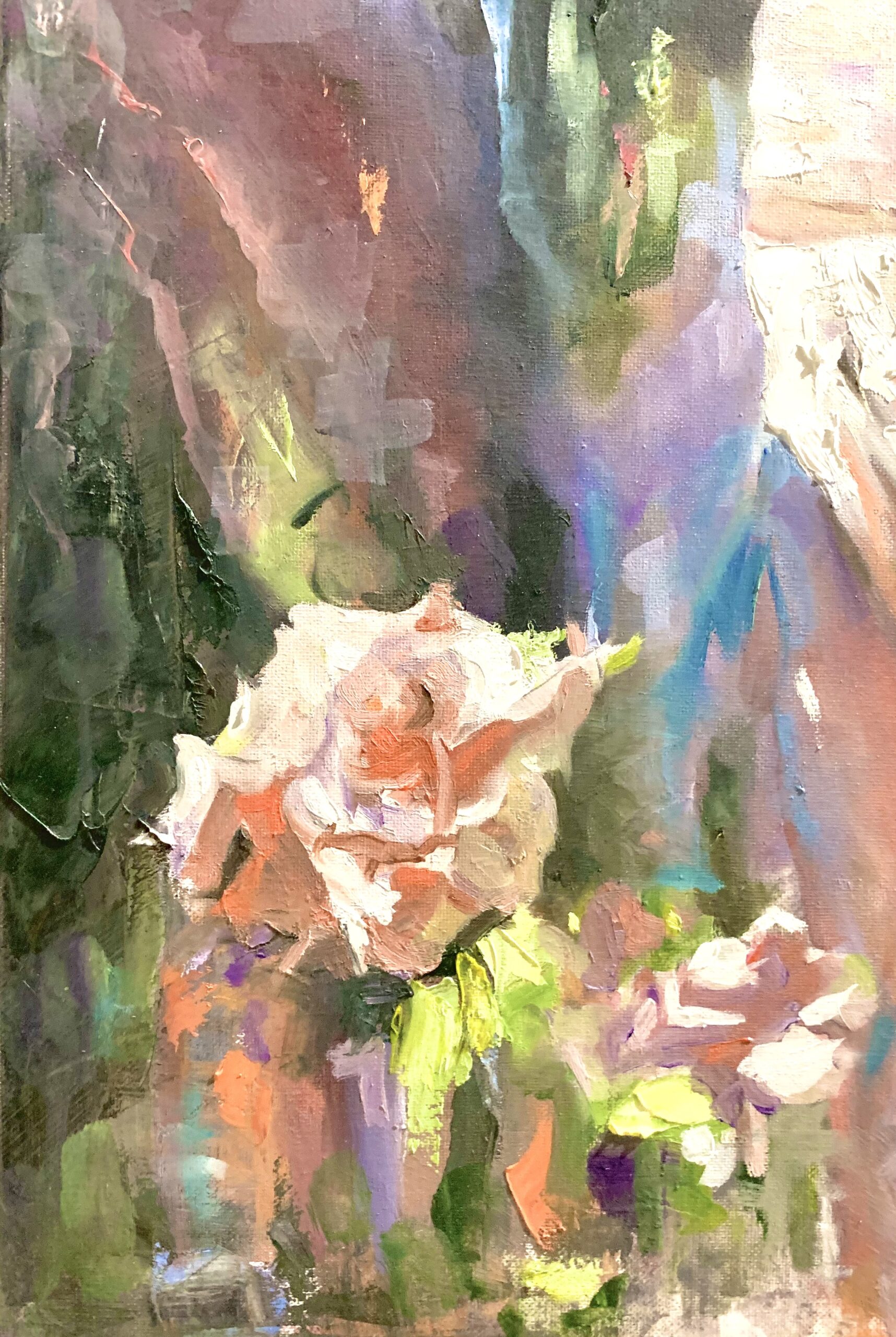
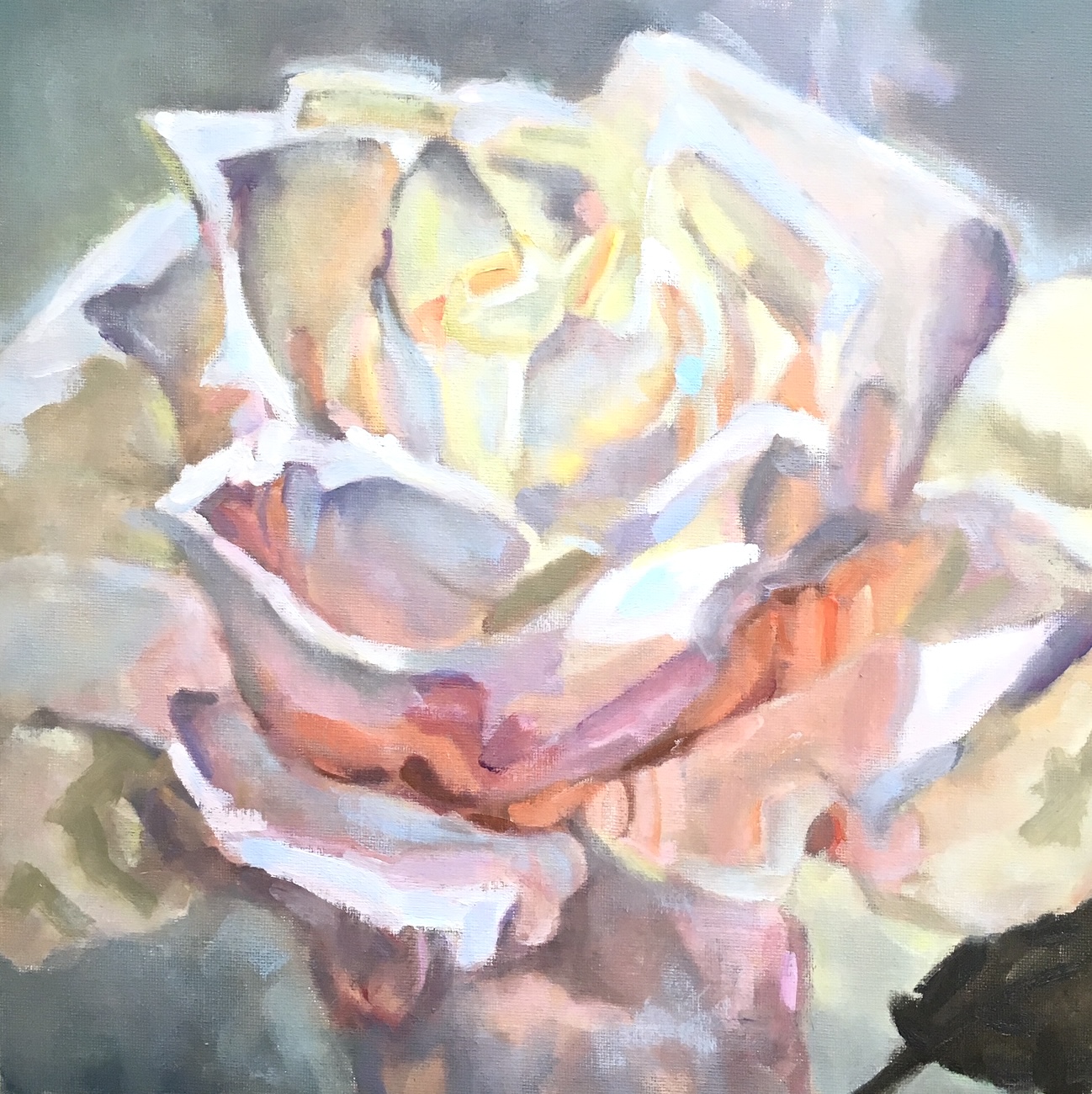
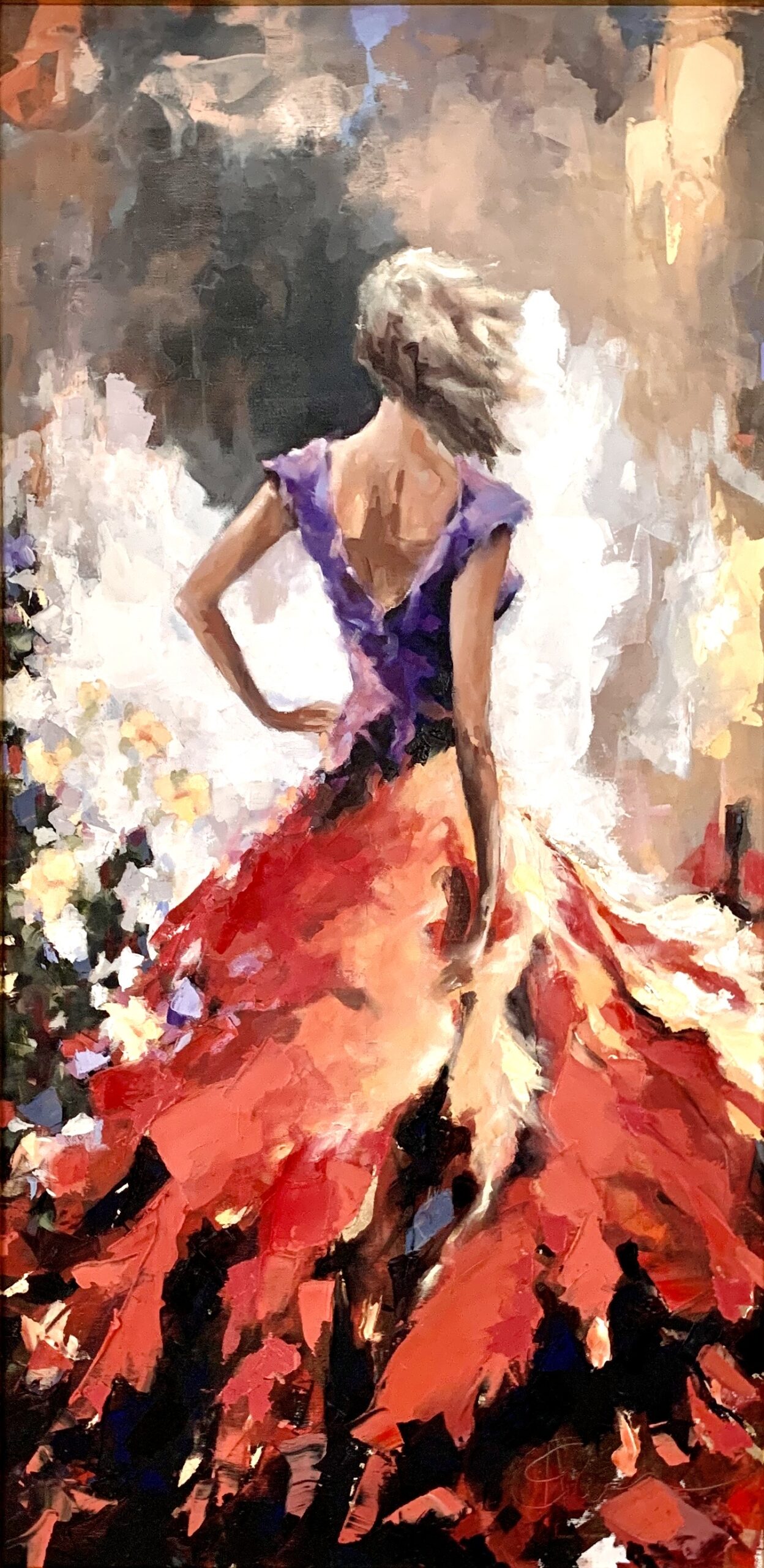
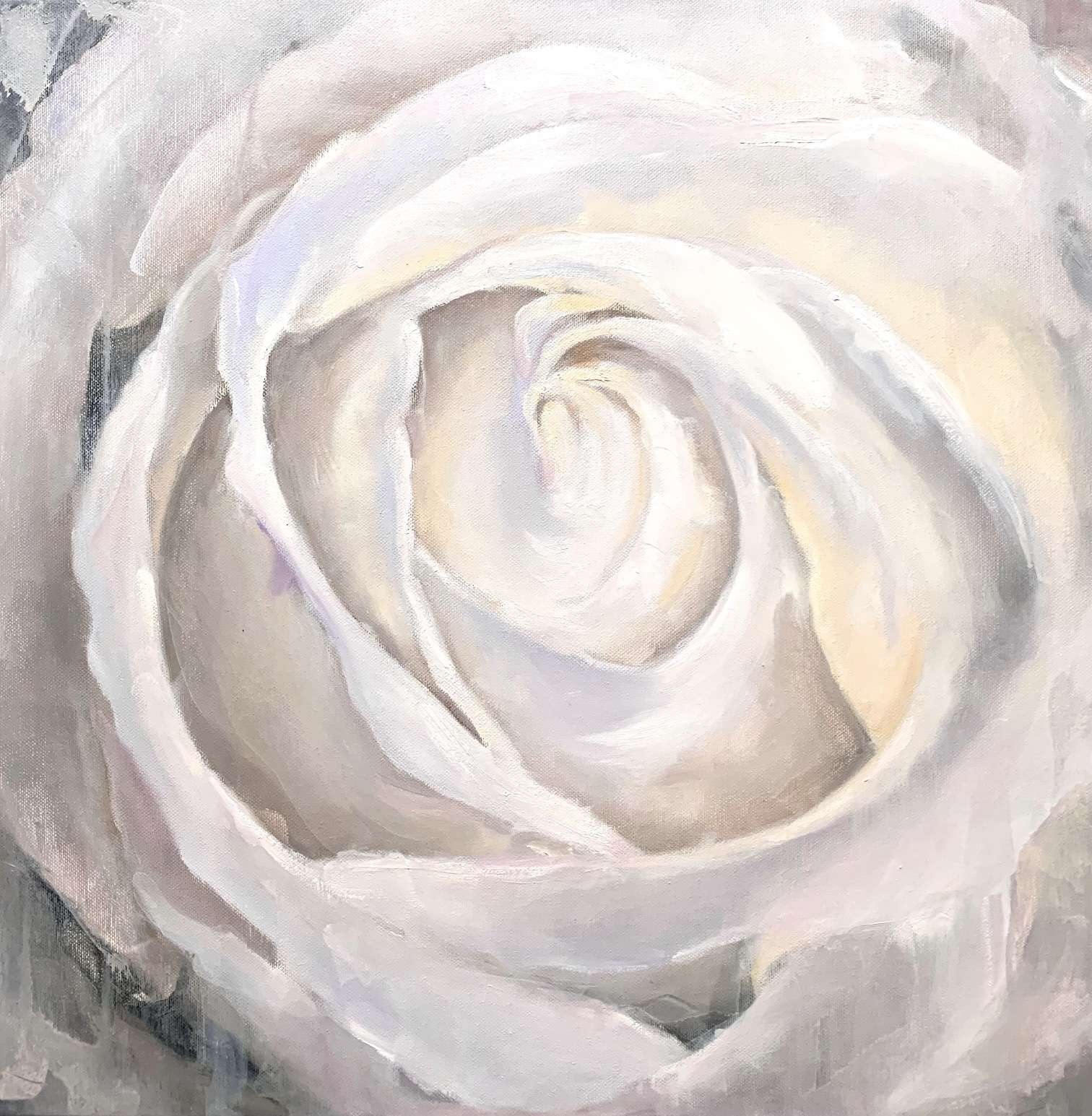
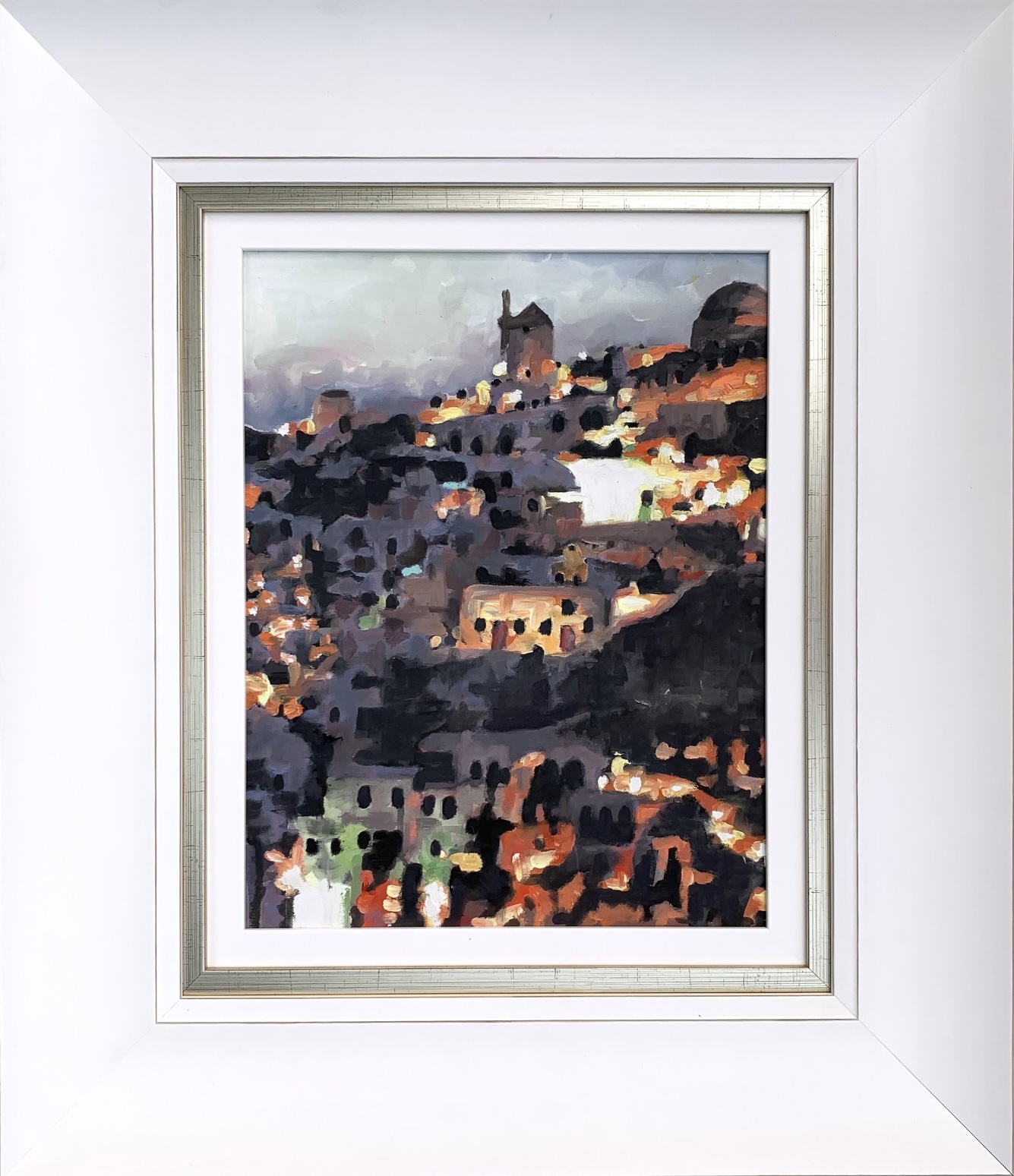

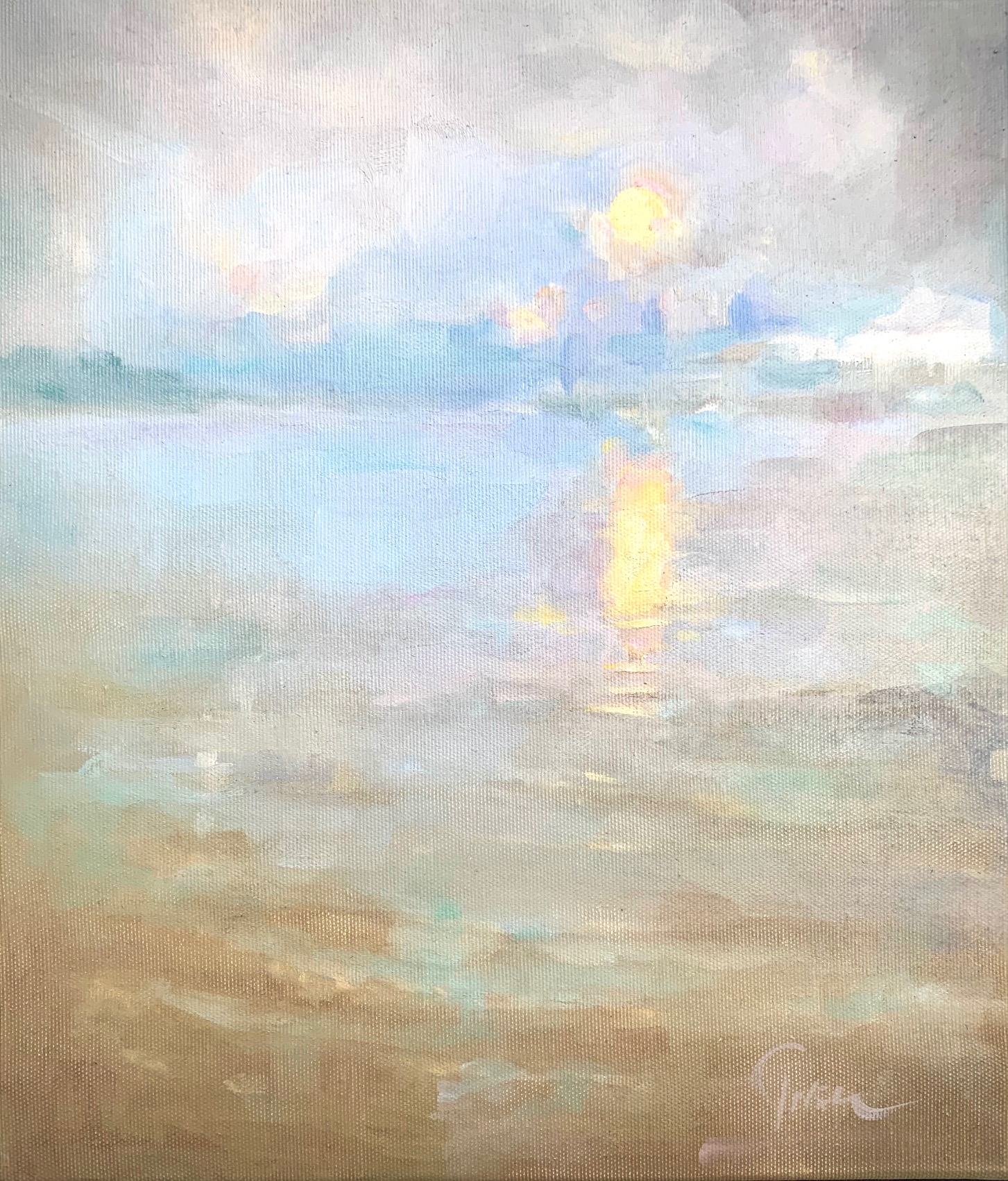

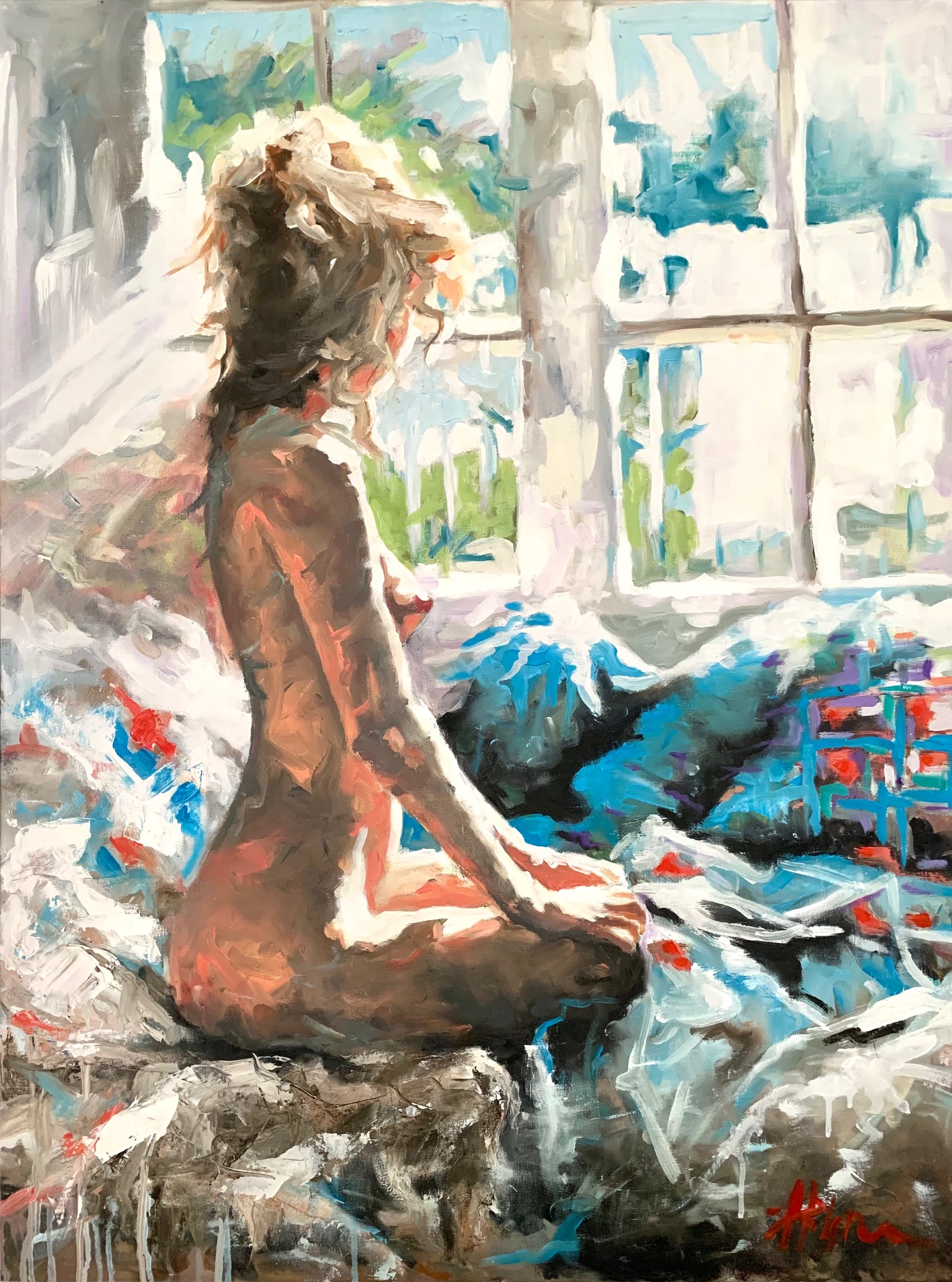
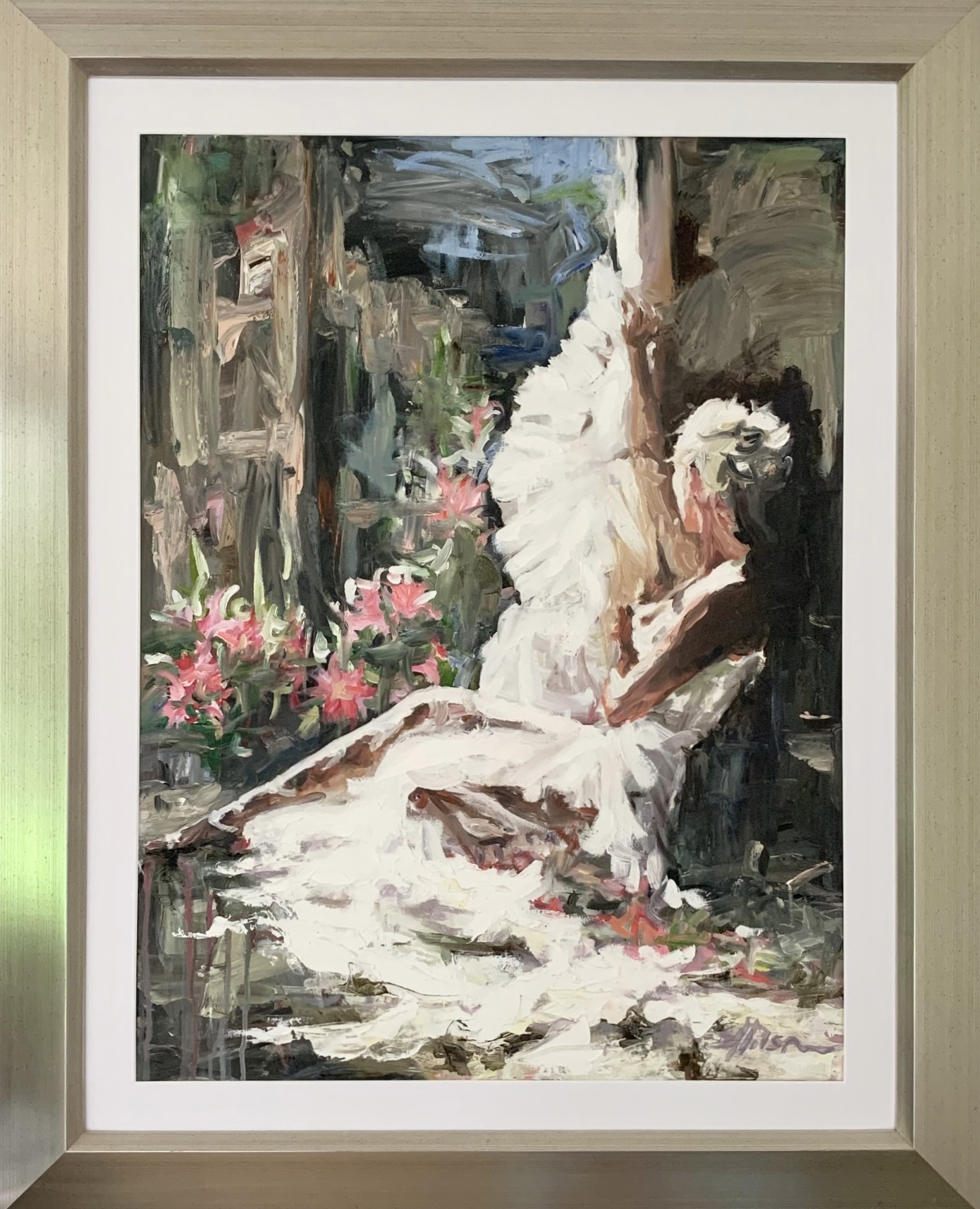
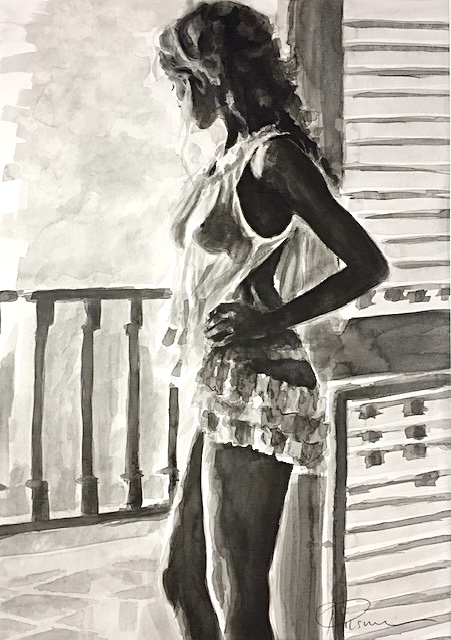
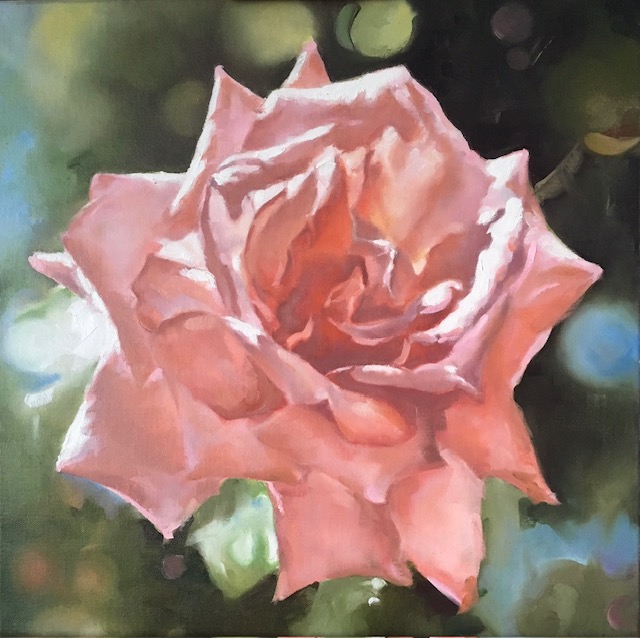
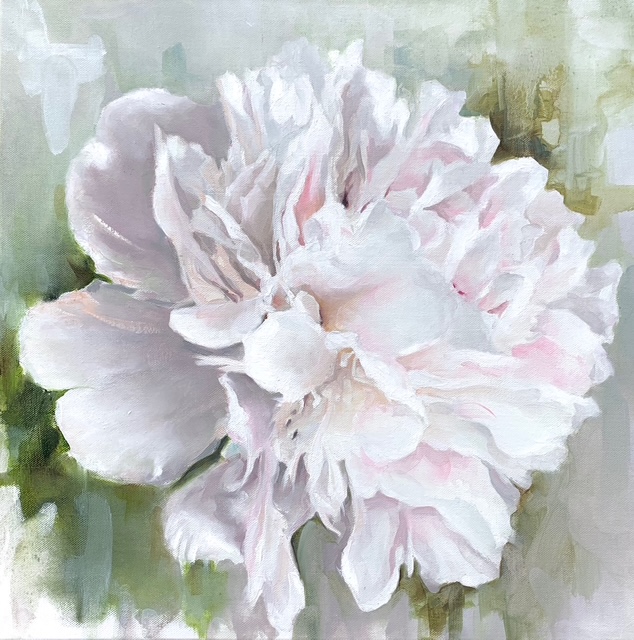
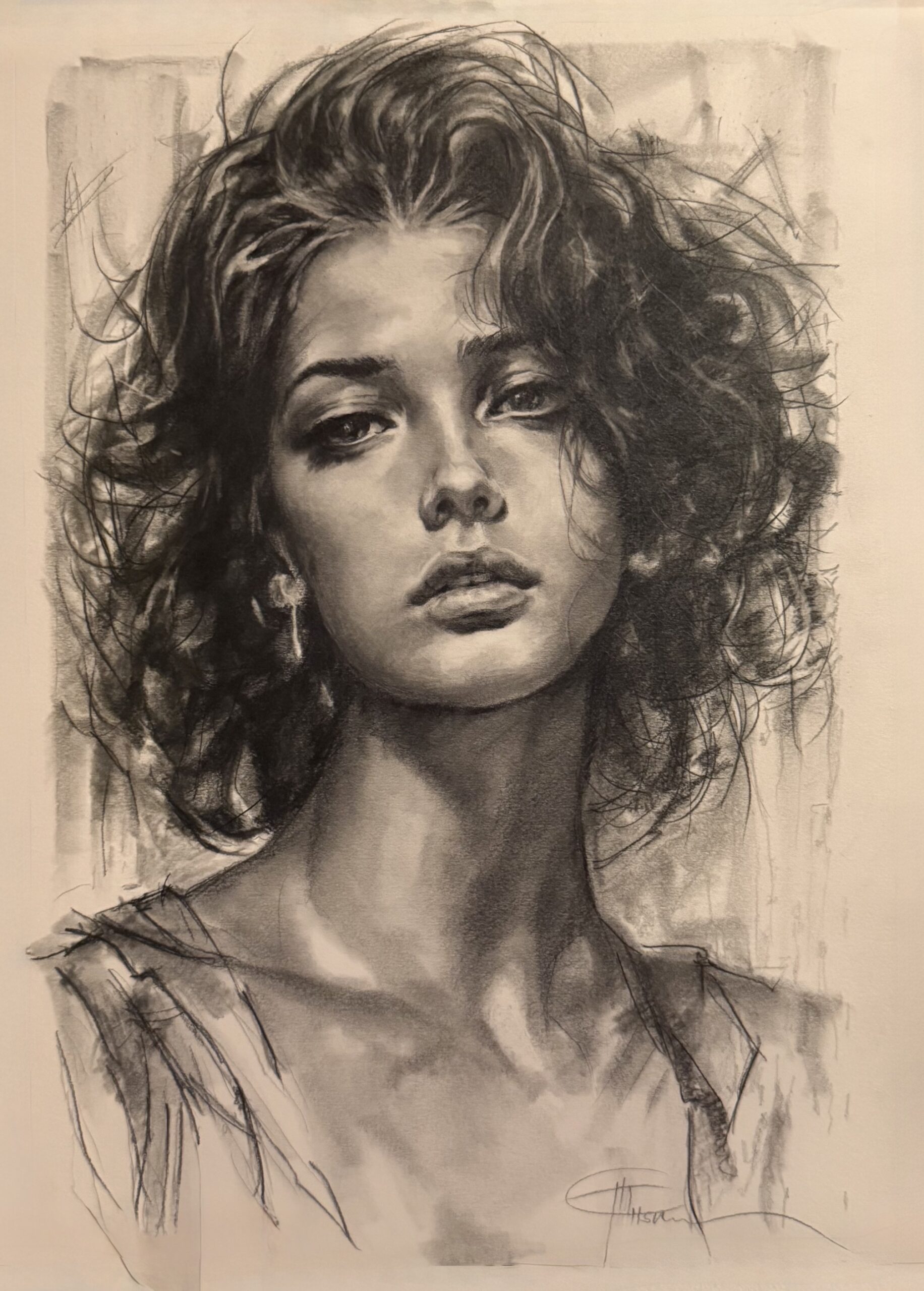
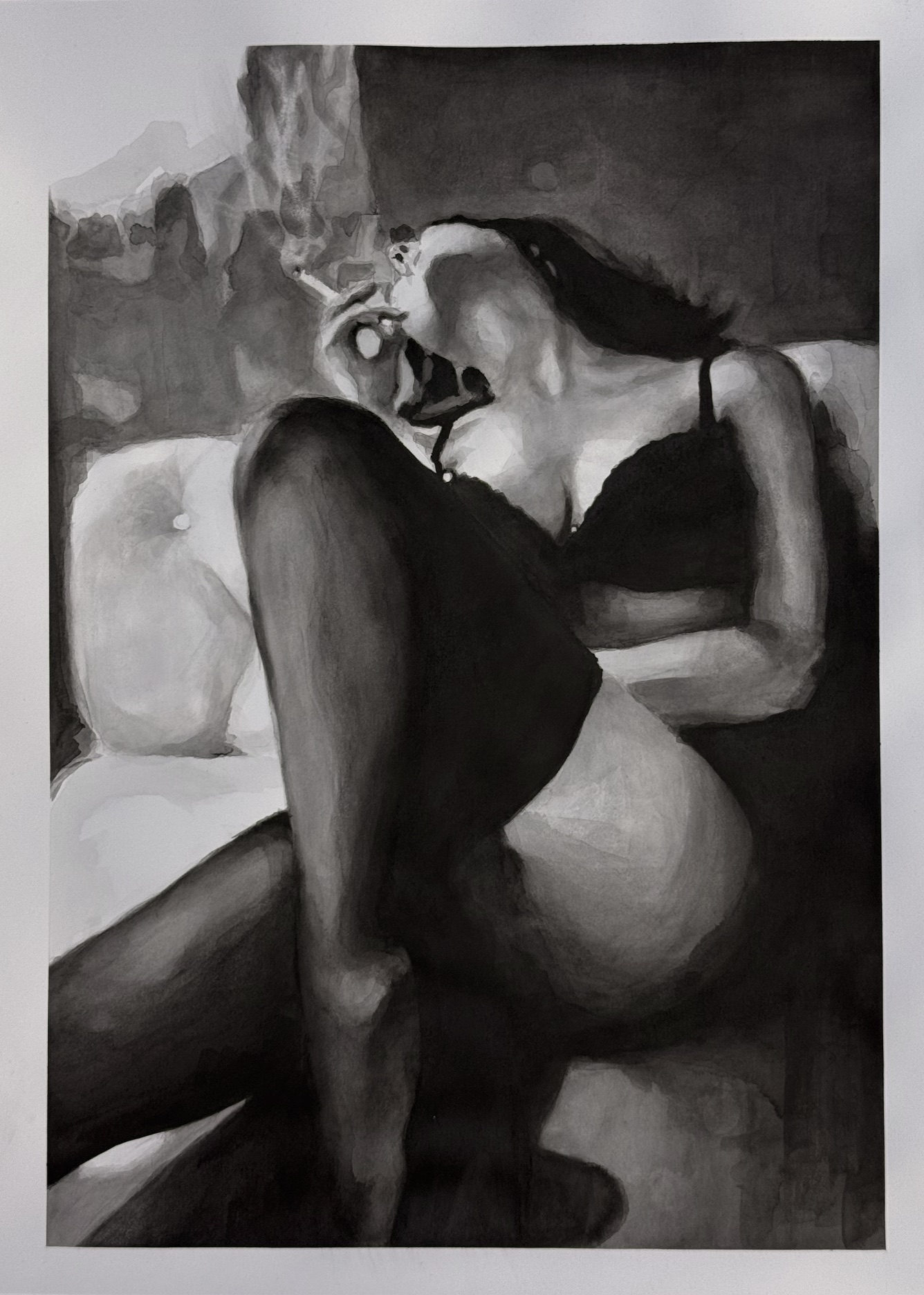
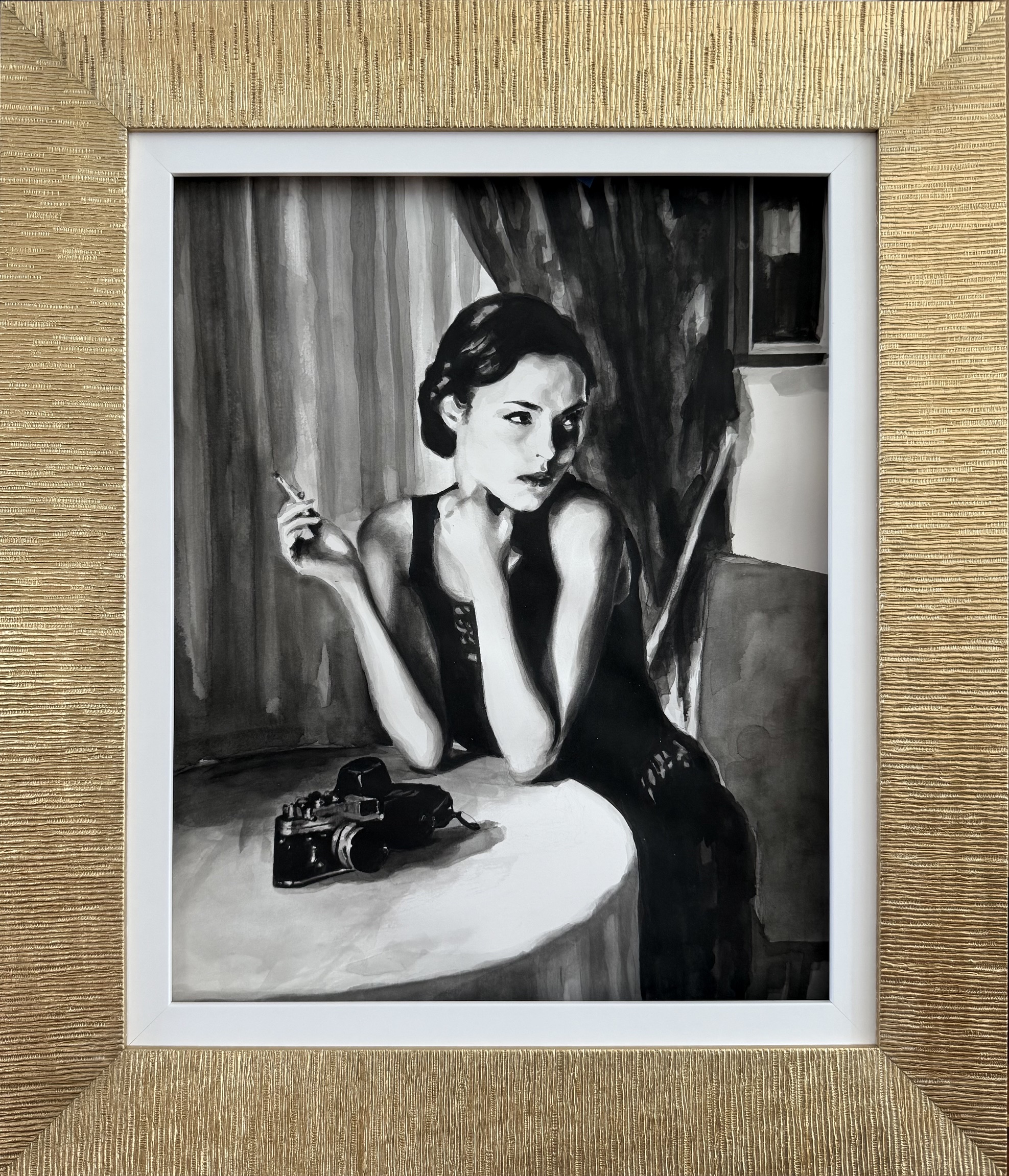
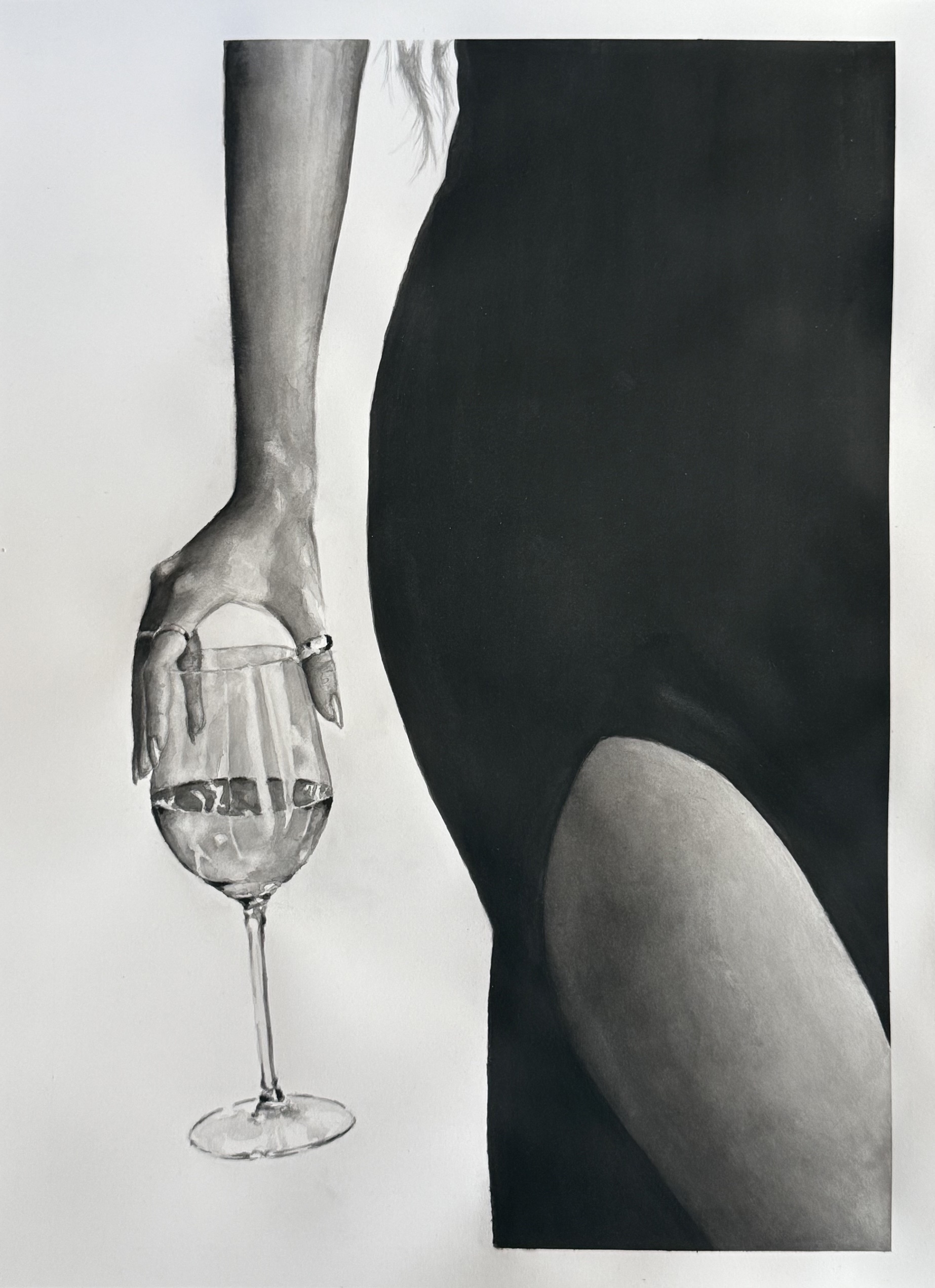

Gallery
Andrew Pilsniak Biography


I. Early Life and Artistic
Development
Andrew Pilsniak is a British artist of
Polish heritage, born in 1959 in Jelenia Góra, Poland. His artistic
journey began remarkably early. By the age of five he was already
drawing and painting, receiving numerous awards throughout his school
years, and at just ten years old completed his first commissioned
work. Art became both an instinctive means of expression and a refuge
during a childhood marked by prolonged illness and repeated
hospitalisation. These formative experiences fostered an enduring
sensitivity to the fragility of life and a lifelong fascination with
the human condition. Yet it was within these confines that two
lifelong passions quietly emerged.
The first was an insatiable curiosity
about the human body. Fascinated by anatomy from an unusually early
age of six, Andrew carefully dissected frogs producing meticulous
anatomical sketches that reflected both scientific observation and
artistic sensitivity.
The second was painting. Drawing and
painting became an escape from the physical limitations imposed by
illness, allowing him to inhabit a world filled with light, colour
and imagination. While the hospital represented confinement, art
became freedom.
Growing up in Communist Poland, he
discovered in art a world of freedom beyond the limitations of
everyday reality. His curiosity extended equally to science and
anatomy, establishing the dual interests that would later define his
life. While studying in a science-focused secondary school, he
continued to pursue art, eventually attending life drawing and
painting classes at St Martin's School of Art in London and further
developing his practice through independent study abroad.
Deeply influenced by the great
Renaissance masters—Michelangelo, Leonardo da Vinci and
Raphael—Pilsniak developed a disciplined approach to drawing,
composition and figurative painting. He later completed his formal
Fine Art education at Chelsea College of Arts, University of the Arts
London, graduating in 2018. During this period, frequent visits to
Tate Britain strengthened his admiration for J. M. W. Turner, whose
mastery of light and atmosphere remains a lasting influence on his
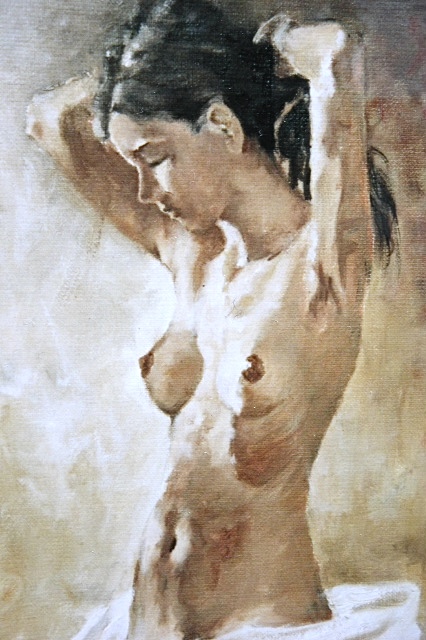
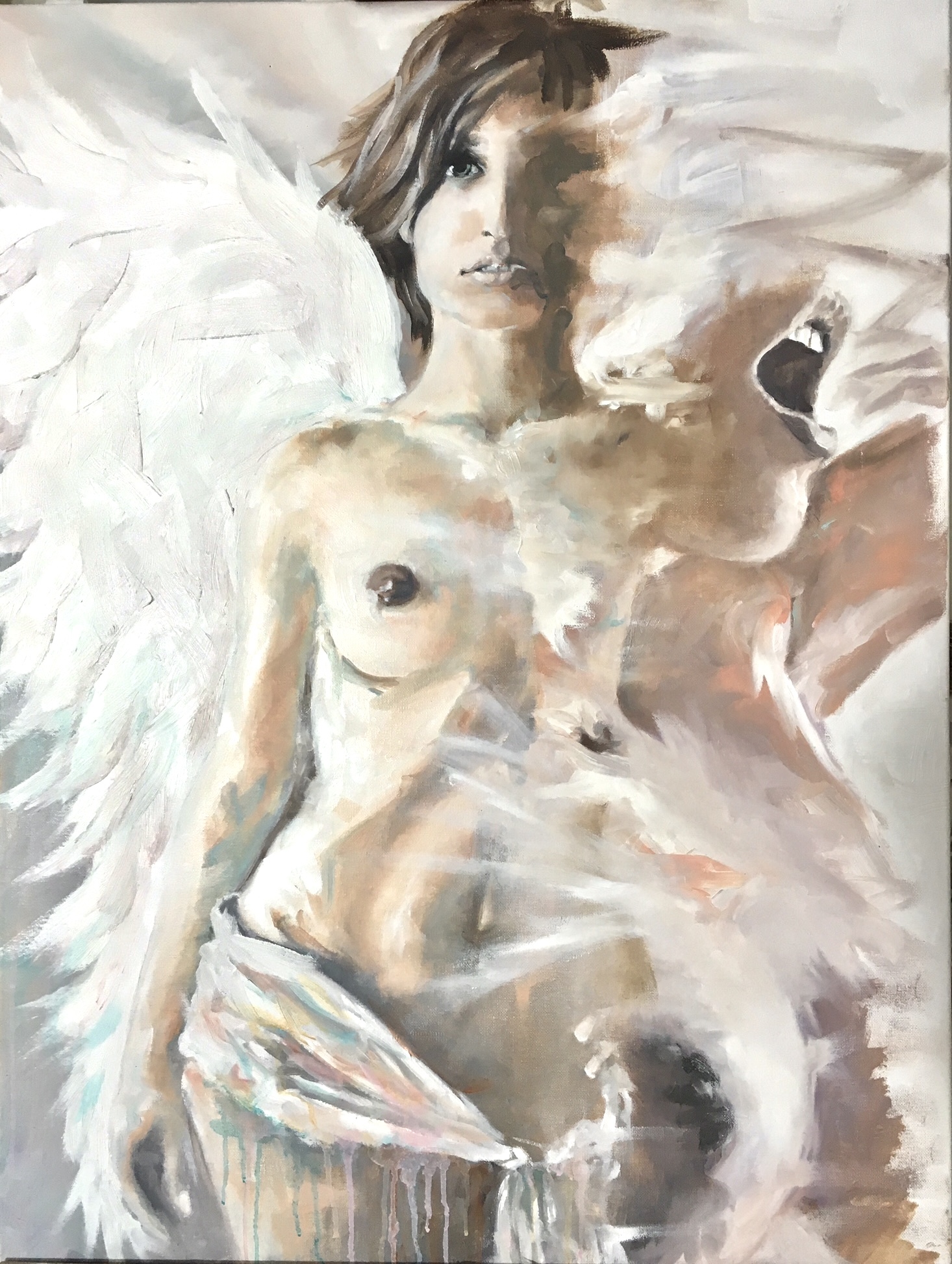
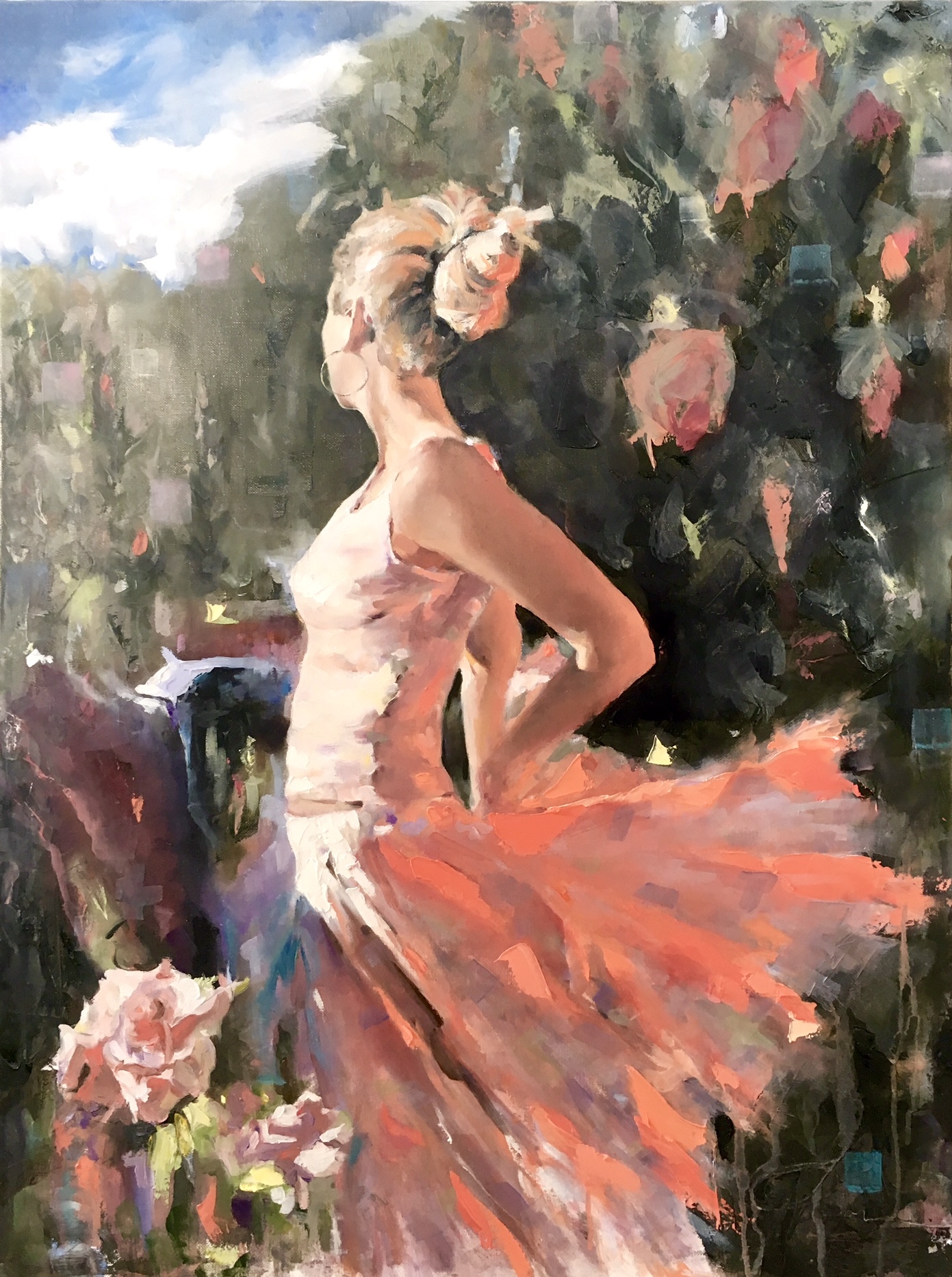
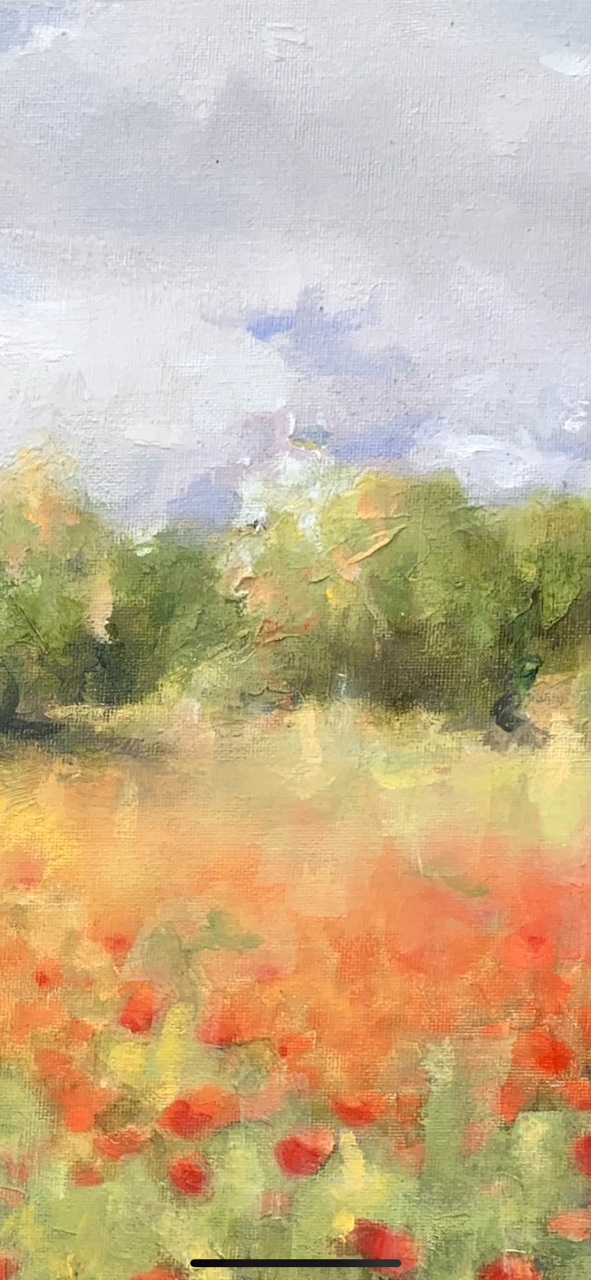
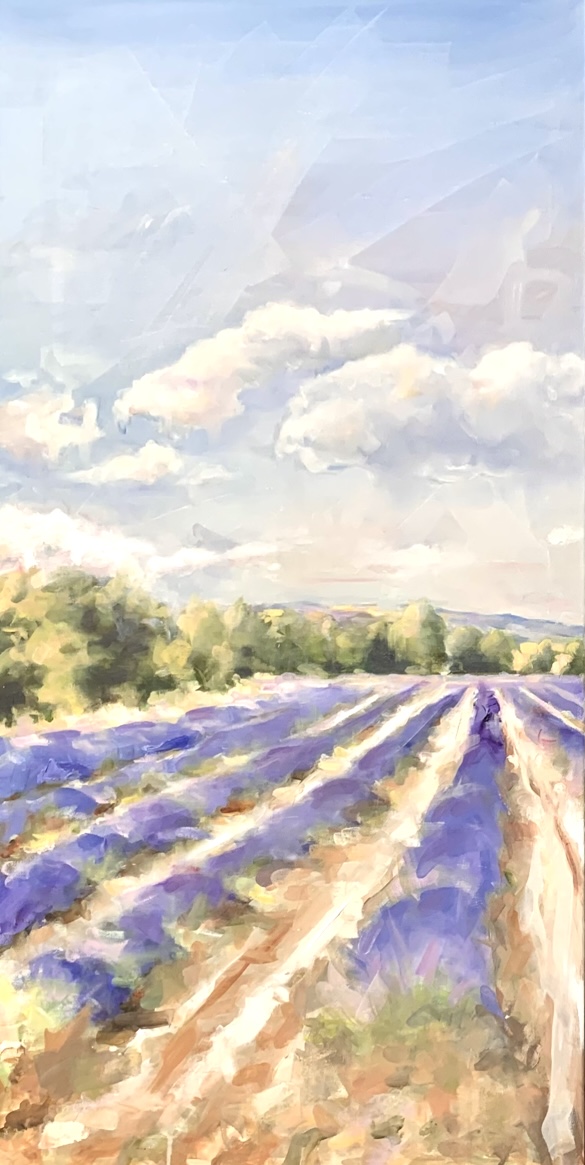
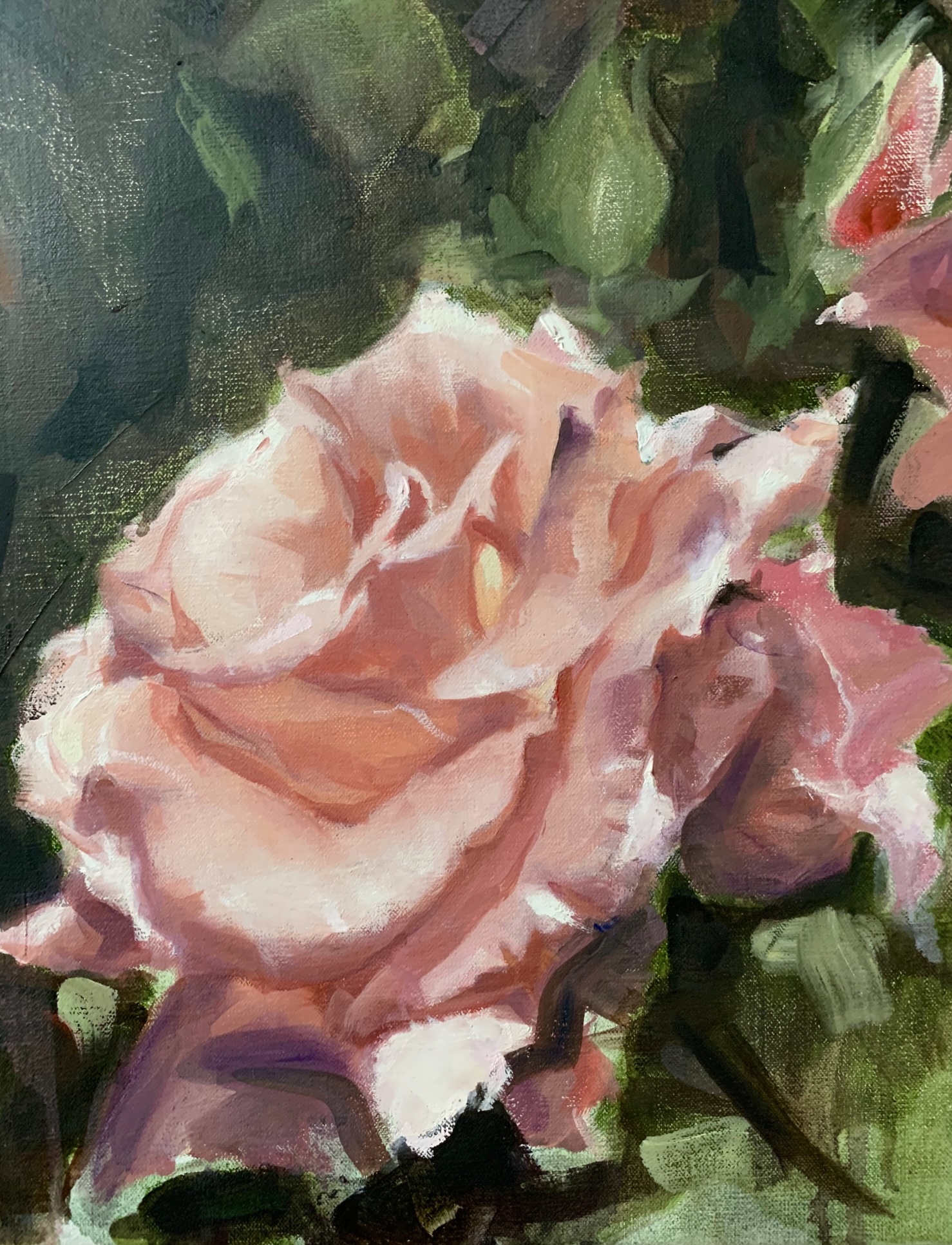
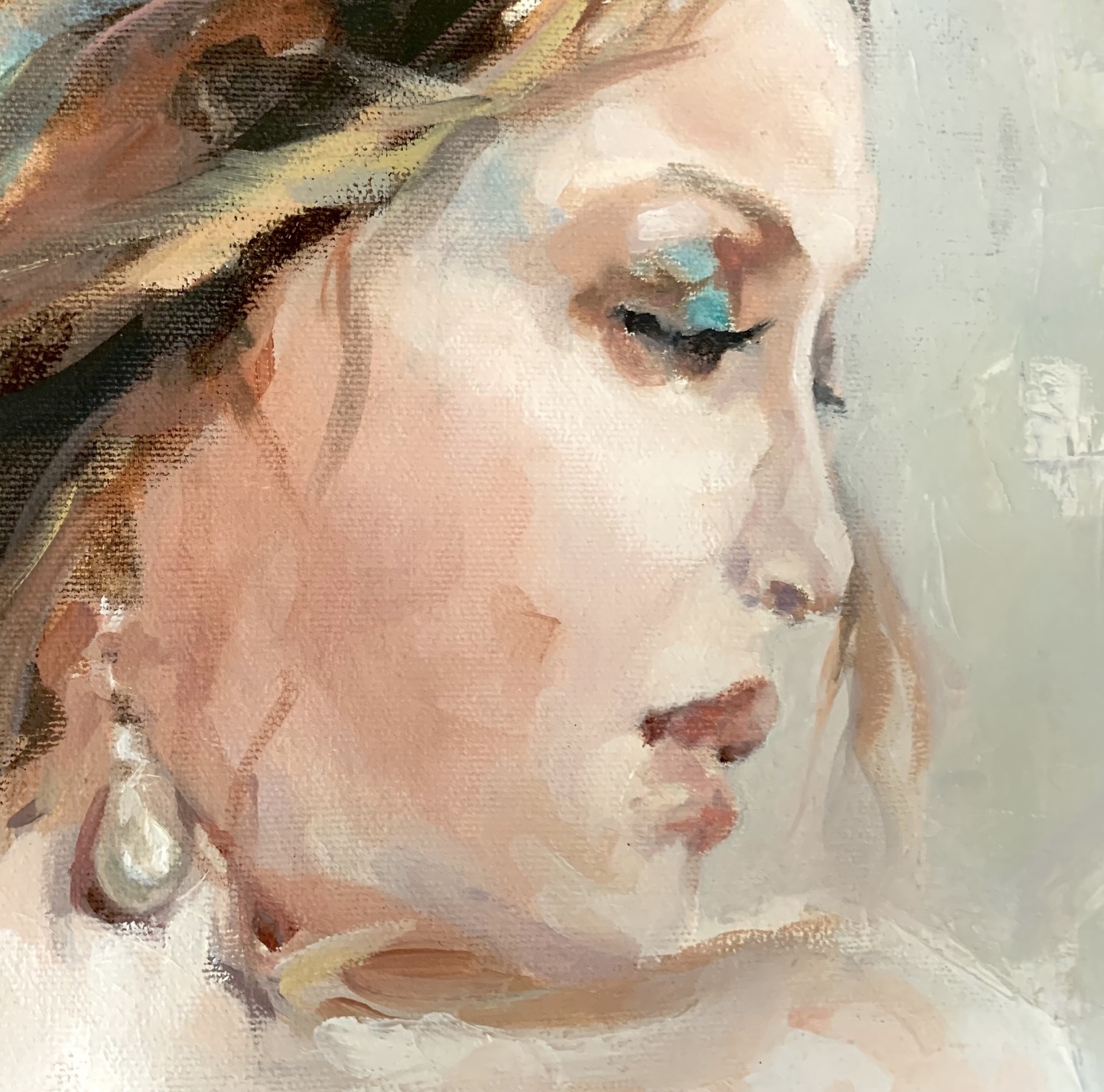
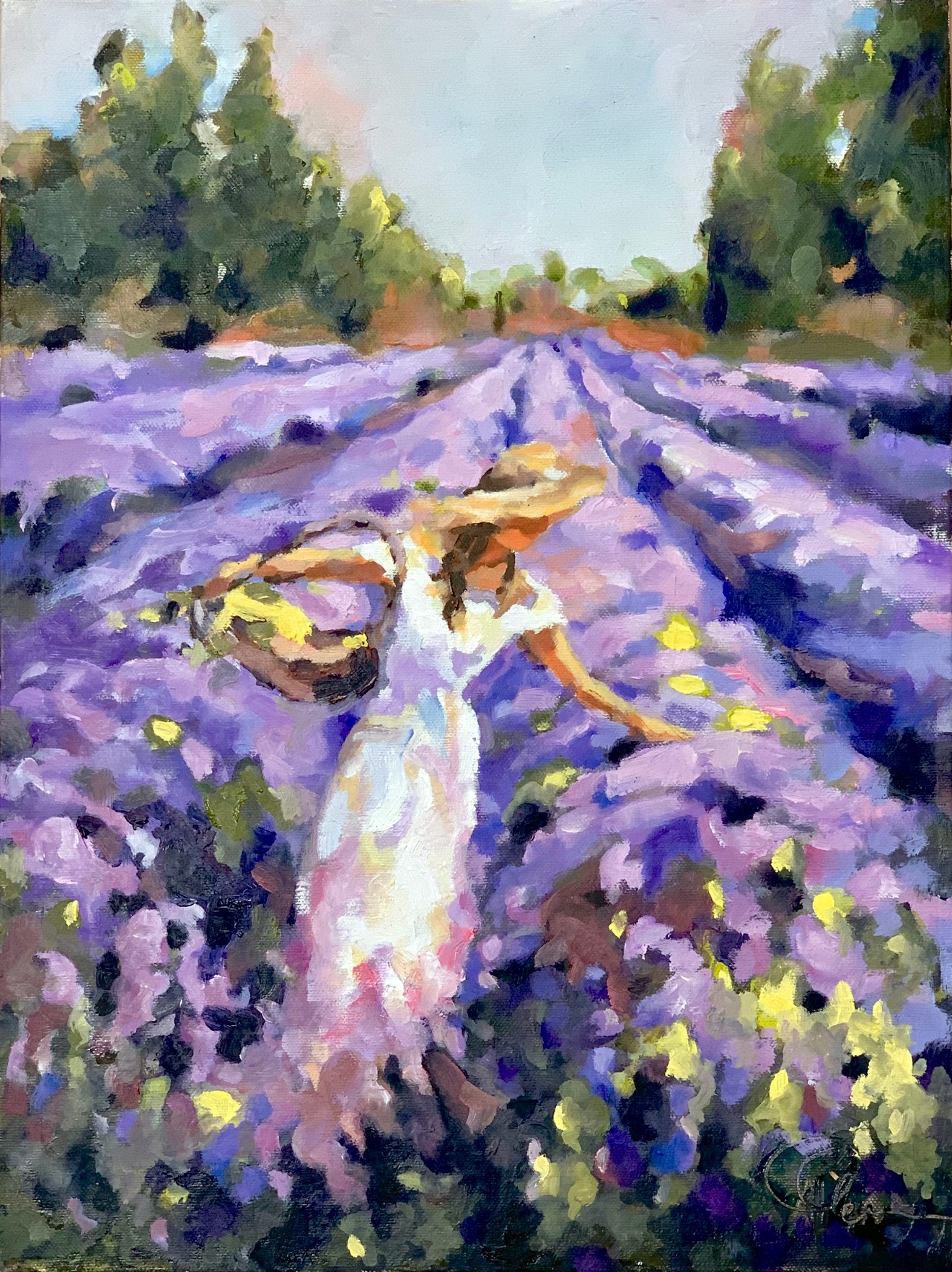
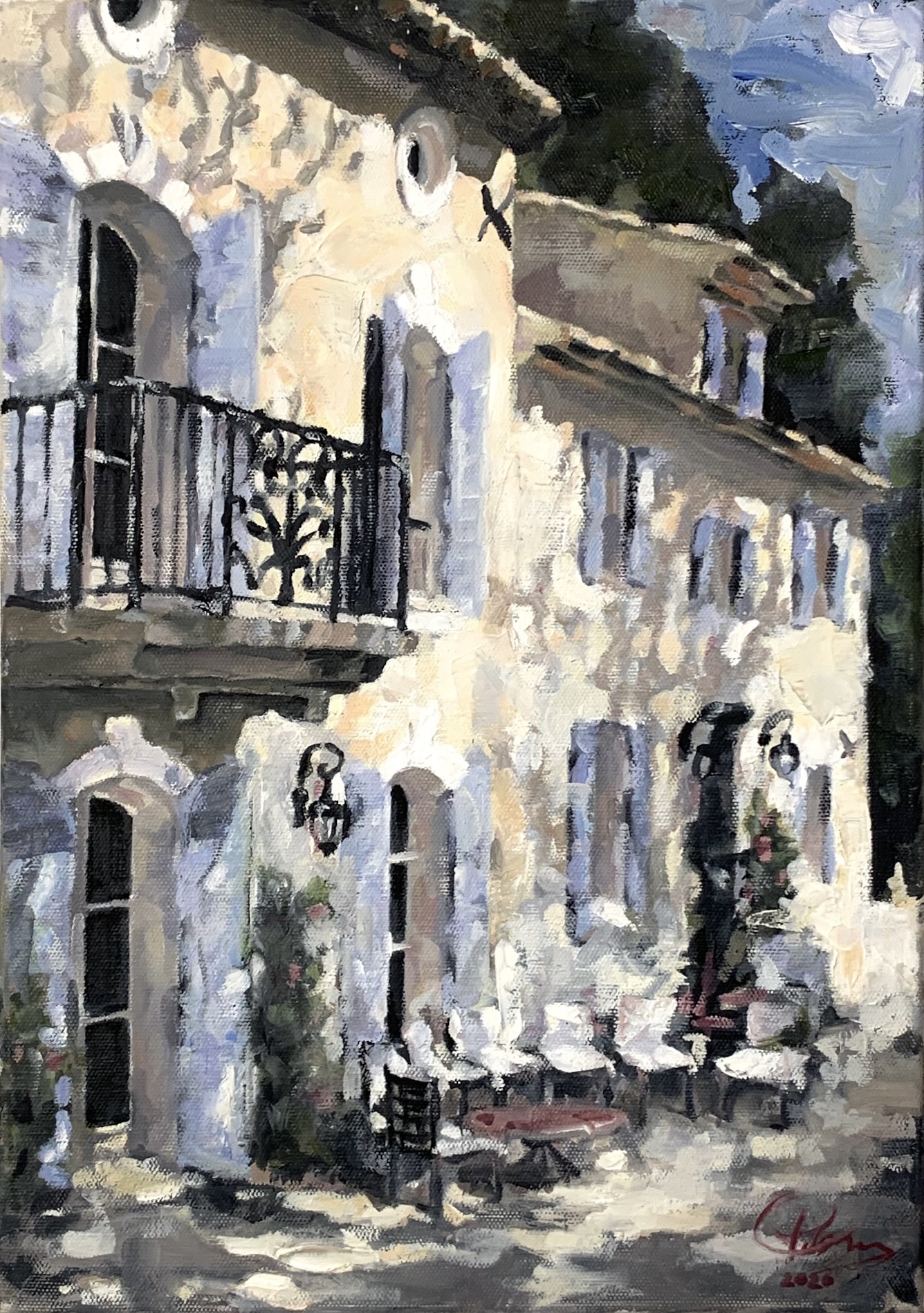
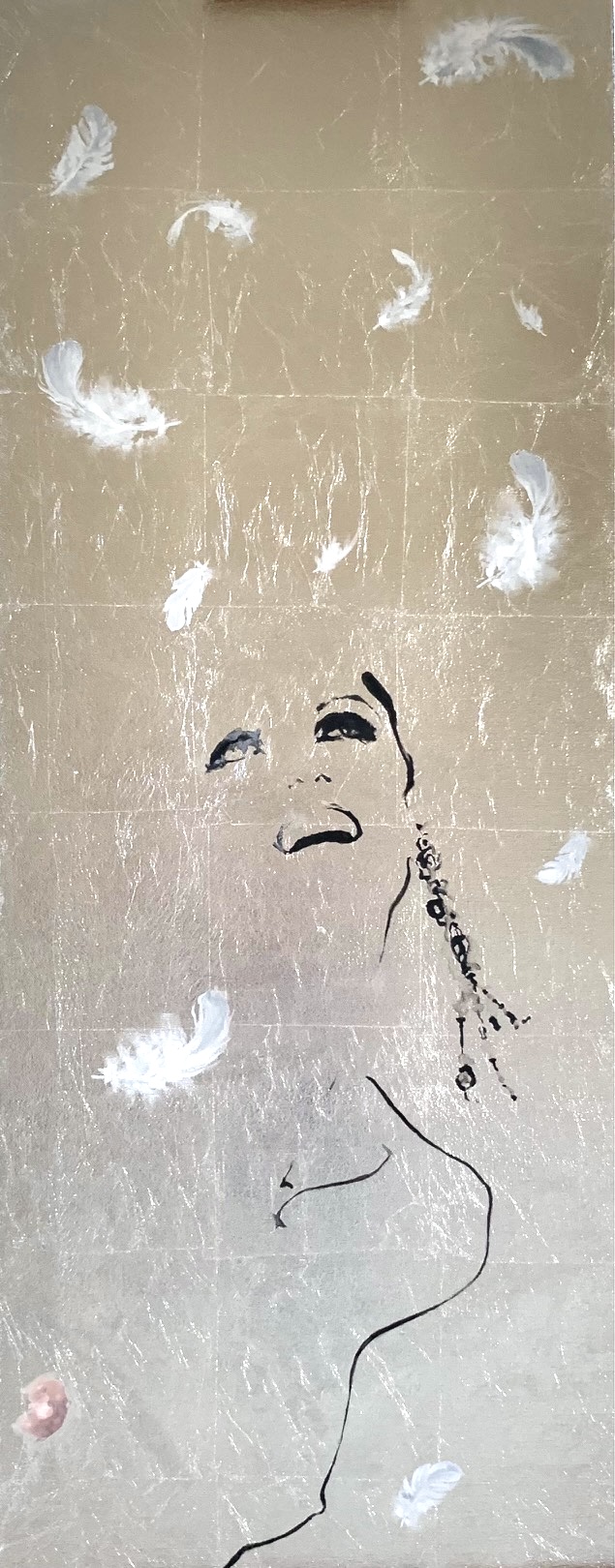
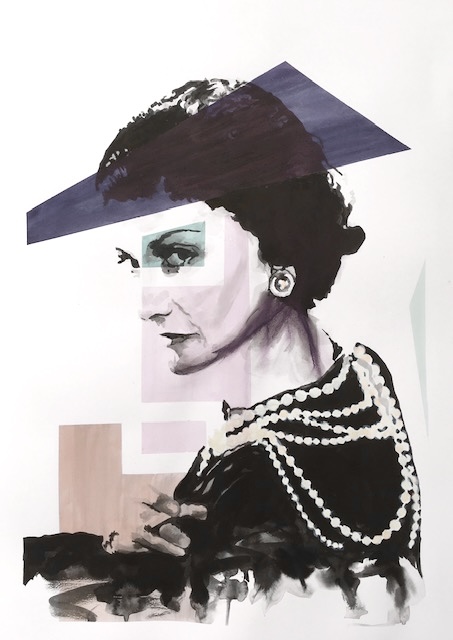
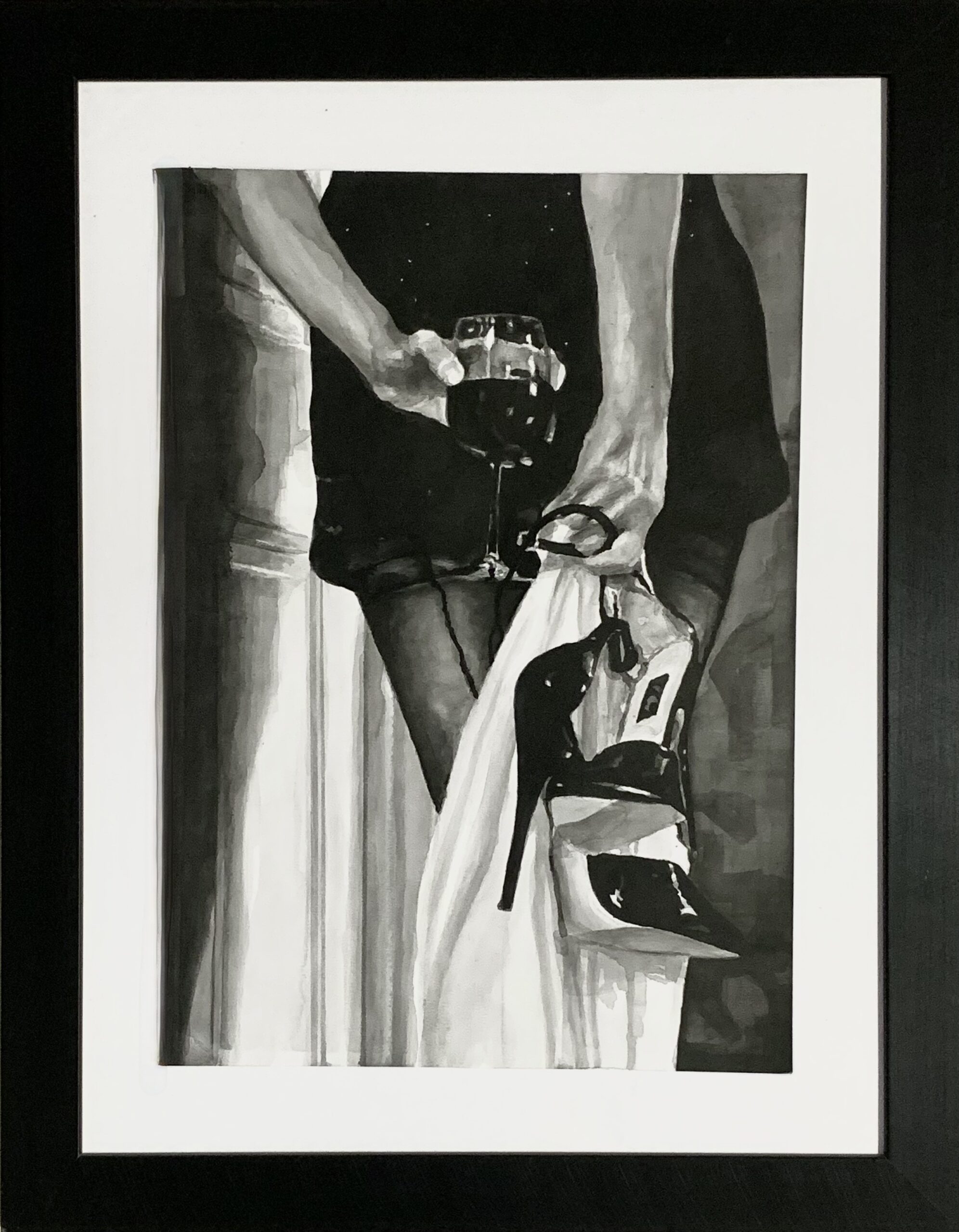
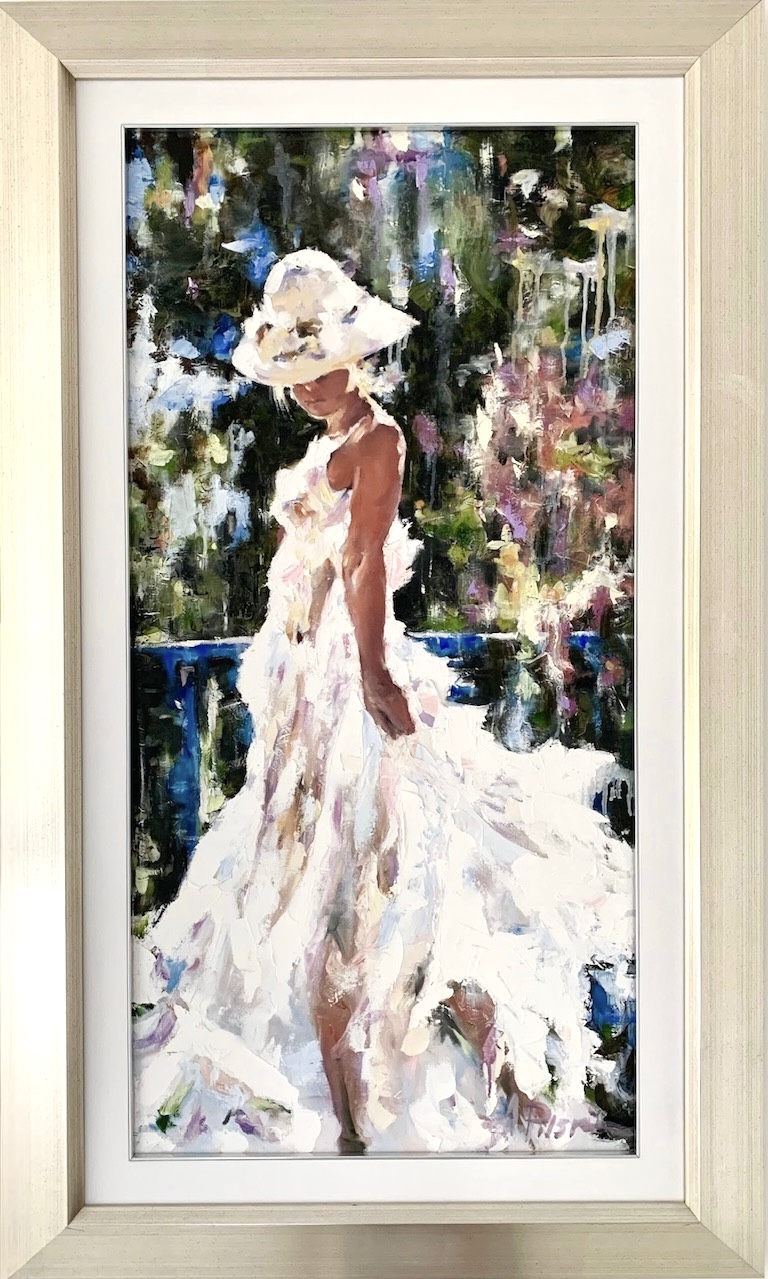
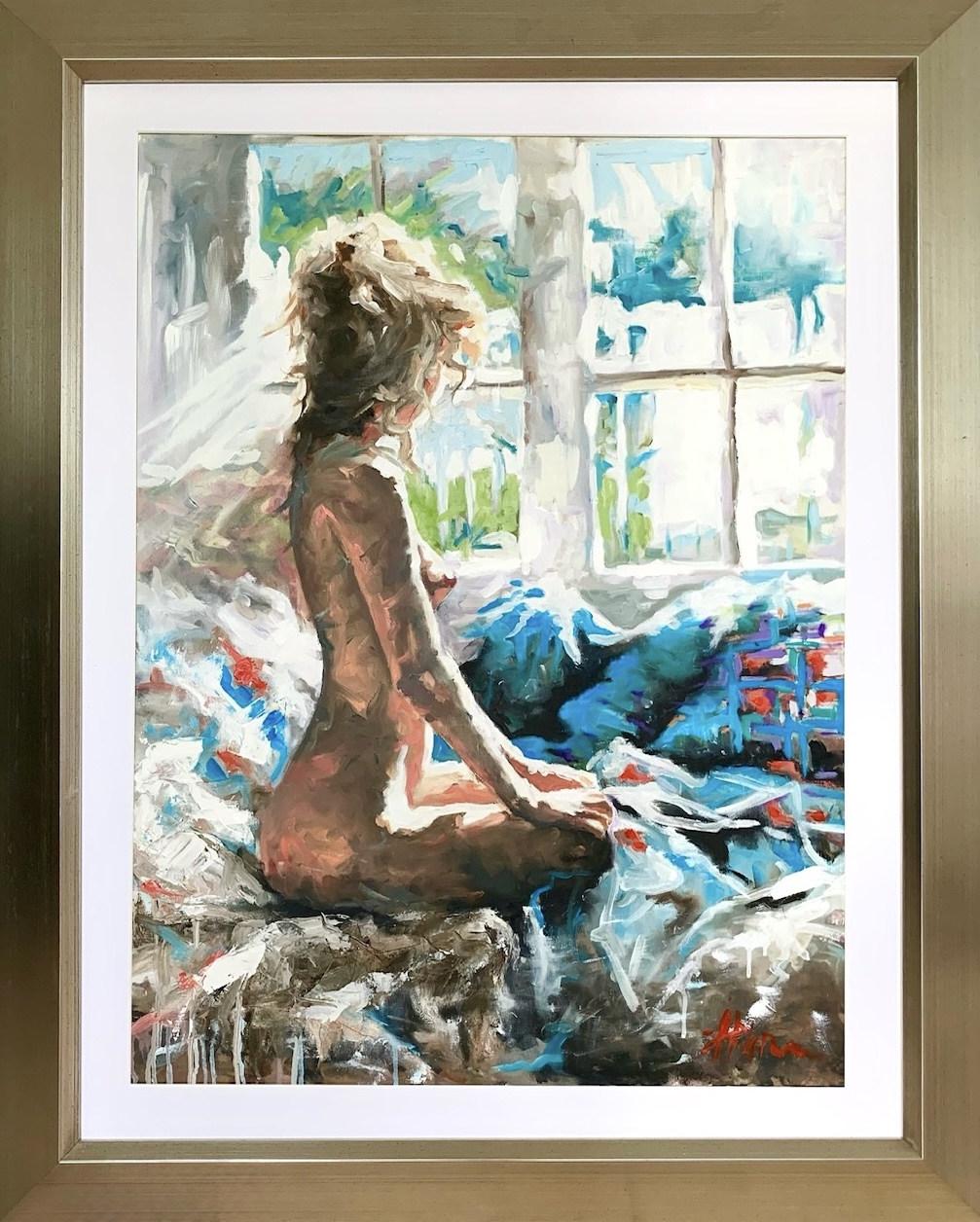
work. His captivating artworks fearlesly confront the emotions, beauty of human body and inner human nature, often immersing in spirit of french impresionists.
II. Medical Career and Life in South
Africa
After graduating from medical school,
Andrew Pilsniak chose a path that would transform both his
professional and artistic life. Drawn by the opportunity to train
with internationally renowned surgeons, he emigrated to Johannesburg,
South Africa, where he worked in some of the busiest teaching
hospitals in the Southern Hemisphere during a period of profound
political and social change. South Africa was emerging from the long
shadow of apartheid, while simultaneously facing one of the greatest
public health crises of the modern era- the HIV epidemic.
Specialising in obstetrics and
gynaecology, he became worldwide recognised for pioneering research
into the prevention of HIV transmission from mother to child. His
doctoral research contributed to the early understanding of
maternal–foetal HIV transmission and was followed by decades of
clinical practice, scientific publications, innovative surgical
techniques and the development of specialised surgical instruments.
After completing study in 1997, he was awarded PhD. Throughout a
surgical career spanning more than forty years, he remained dedicated
to advancing women's healthcare, academic education and the care of
vulnerable patients. Andrew is a member of Royal College of Obstetricians and GYnaecologists.
South Africa also transformed him as an
artist. The brilliance of African light, expansive landscapes,
vibrant colours and cultural diversity profoundly influenced his
visual language. Alongside the emotional intensity of his medical
work, these experiences deepened his understanding of humanity,
compassion and resilience. Medicine sharpened his knowledge of
anatomy and gesture, while Africa enriched his appreciation of
atmosphere, colour and the expressive power of light.
III. Artistic Philosophy and Legacy
For Andrew Pilsniak, art and medicine
have never been opposing disciplines but complementary ways of
understanding human existence. While surgery demanded precision,
discipline and responsibility, painting offered a space for
reflection, emotion and imagination. Together they have shaped a
practice grounded equally in observation and empathy.
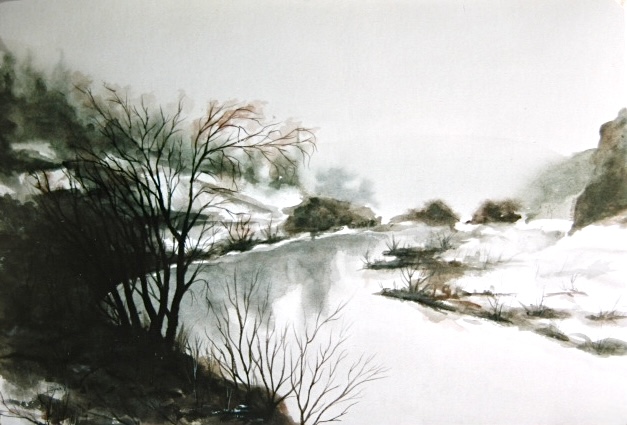
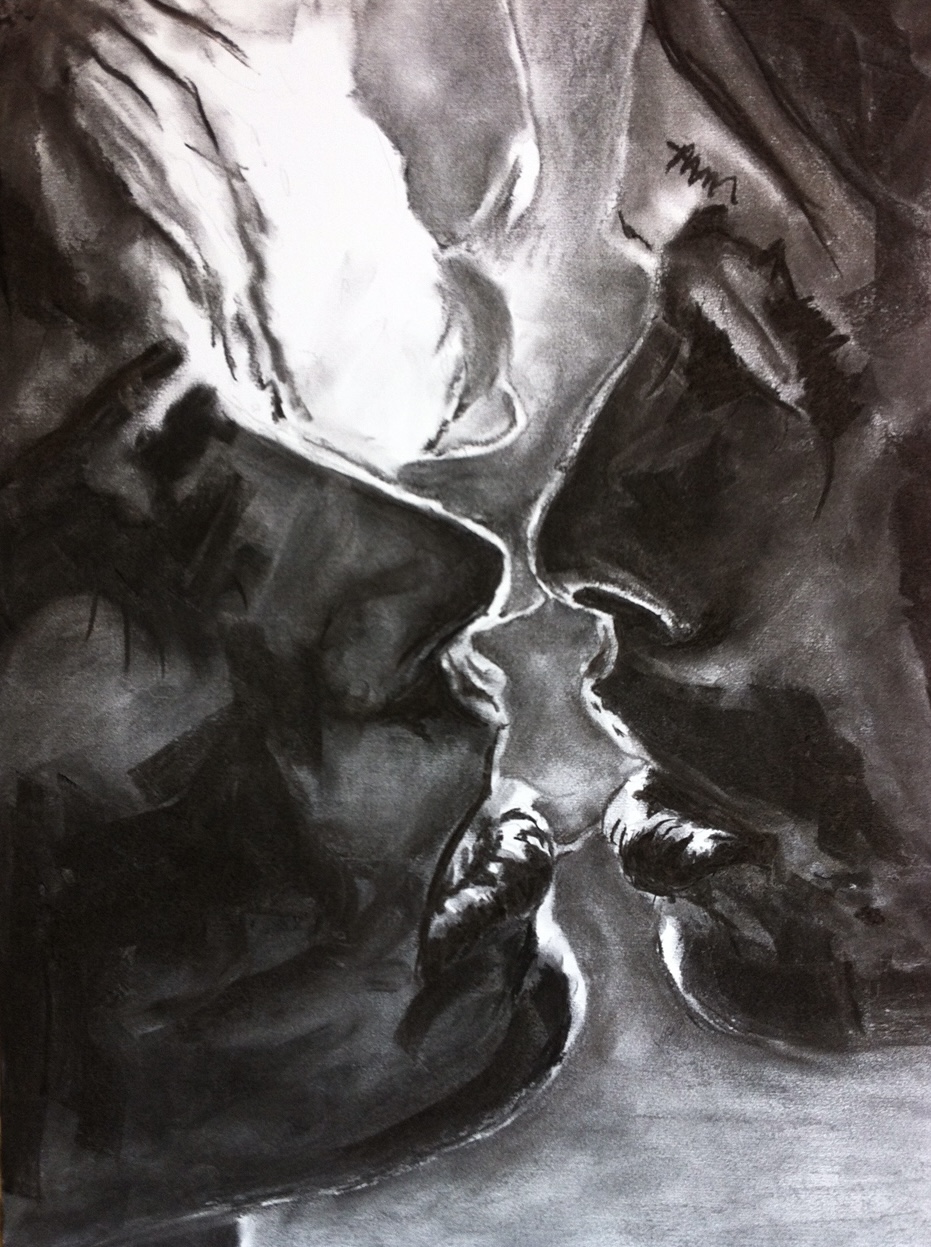
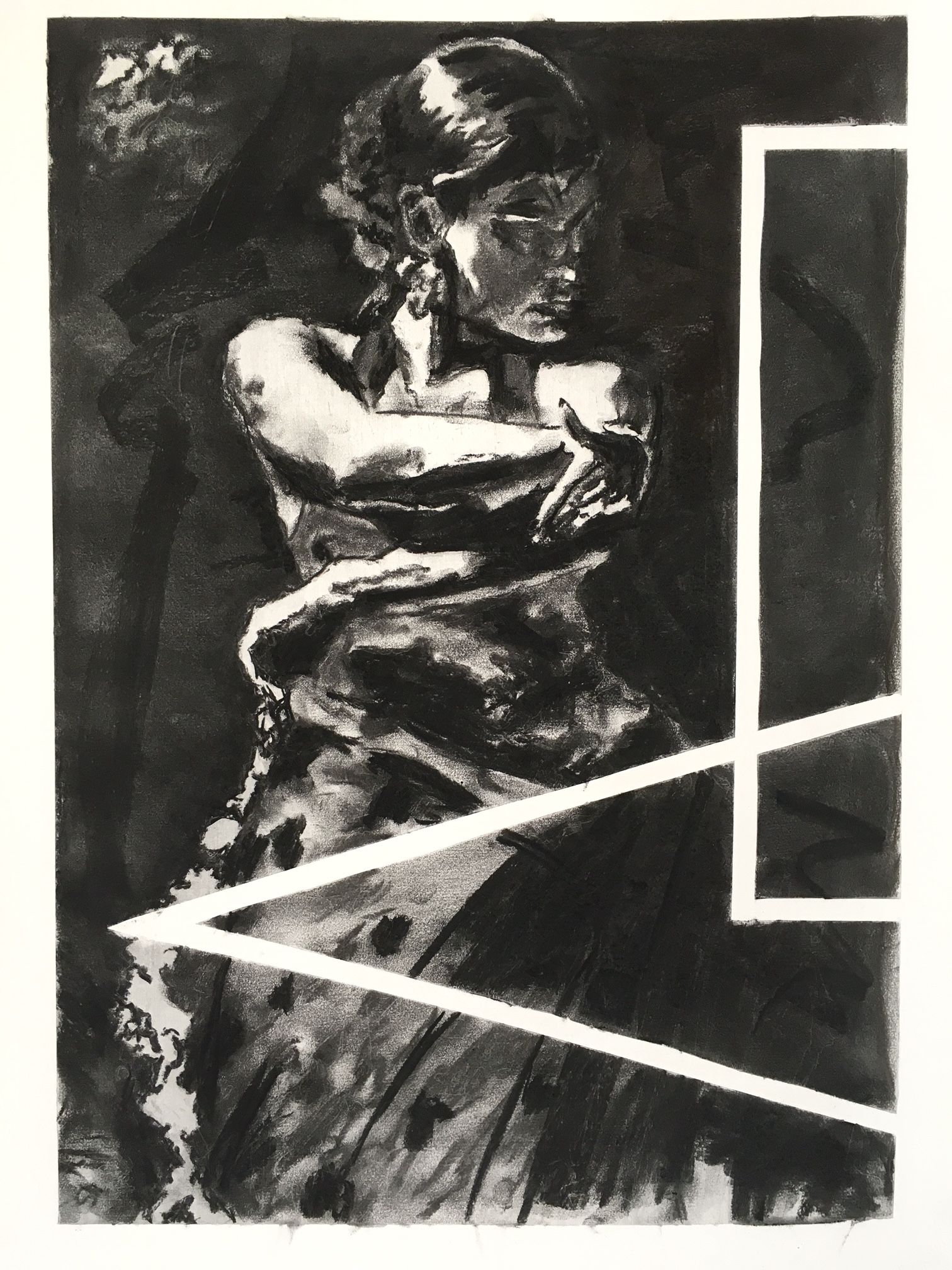
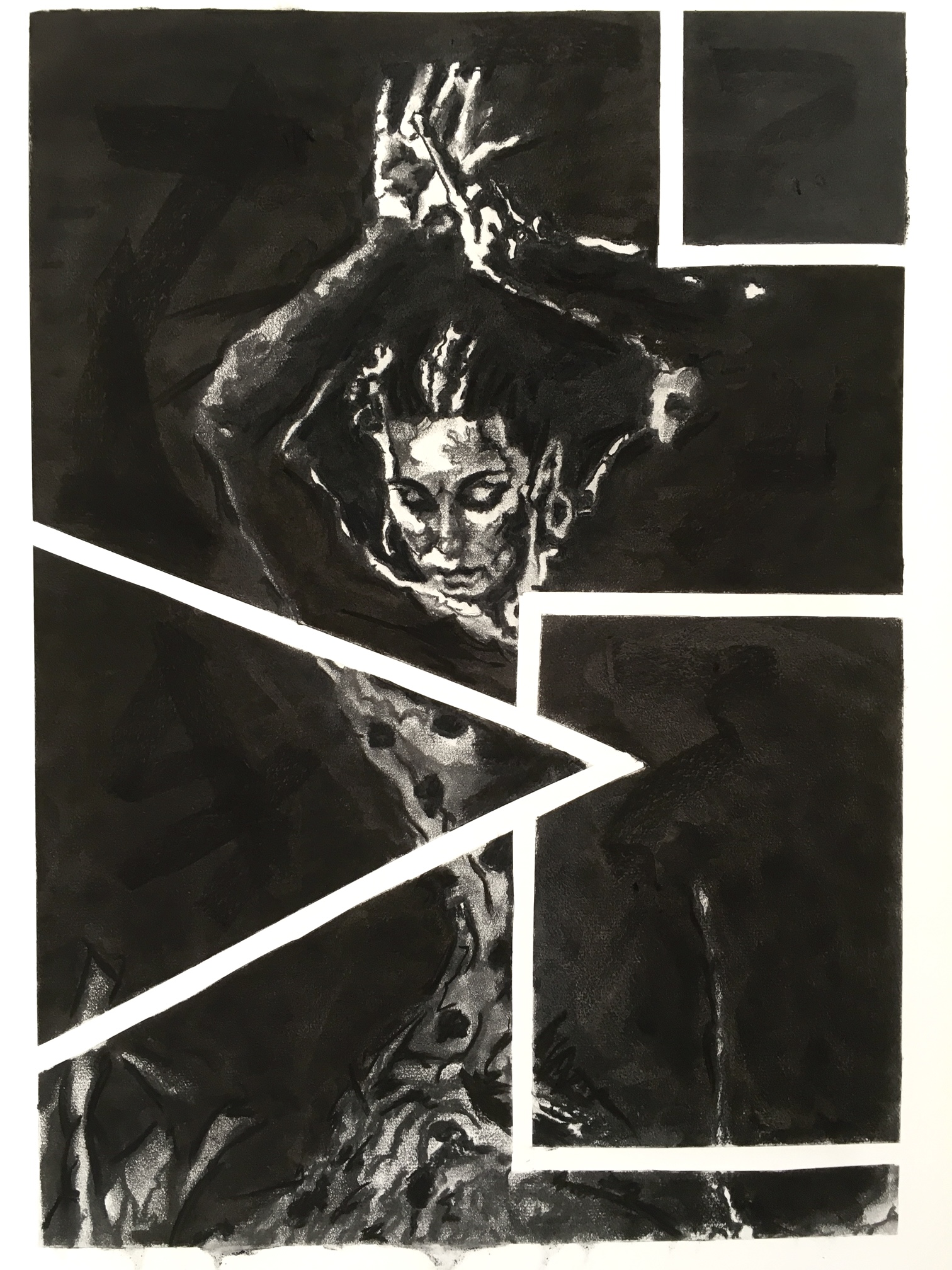
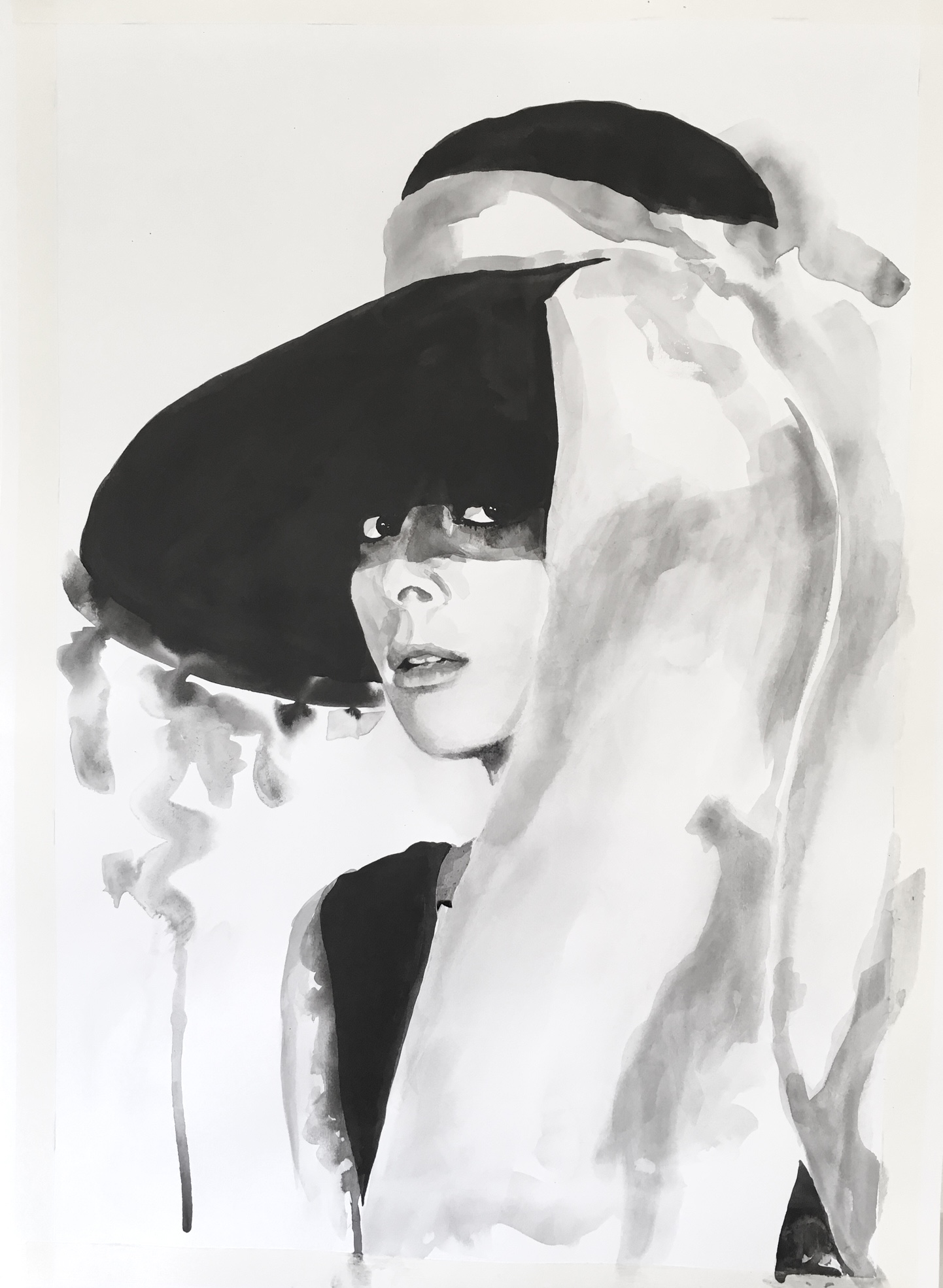
Working primarily in oil, watercolour,
ink, mixed media and clay, Pilsniak explores themes of intimacy,
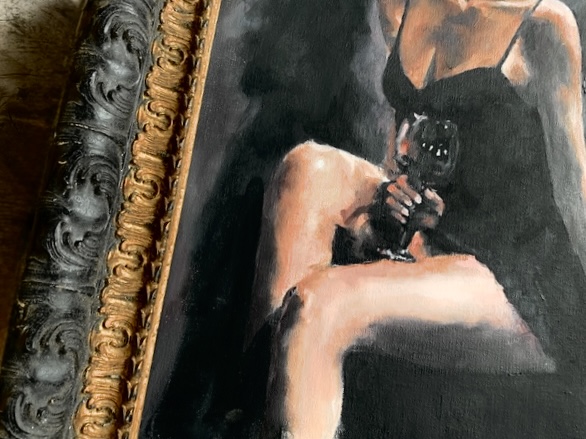
memory, vulnerability and human connection. Influenced by Rembrandt,
Vermeer, Ilya Repin and the expressive figurative work of Fabian
Perez, he combines classical draughtsmanship with a contemporary
sensitivity to psychological presence. His interest in the writings
of Sigmund Freud further informs his exploration of the emotional
landscape beneath outward appearance.
Rather than illustrating a narrative,
his paintings invite quiet contemplation. Light becomes a metaphor
for memory and hope, while colour conveys mood and emotional
resonance. His medical understanding of the human body is balanced by
an equally profound interest in the unseen dimensions of personality,
allowing each figure to exist between physical reality and inner
experience.
Andrew Pilsniak’s legacy lies in this
rare synthesis of intellect and imagination. As a surgeon he devoted
his life to preserving human life. As an artist he continues to
explore its meaning. His paintings are the meeting point of these two
journeys- a place when scientific understanding is illuminated by
compassion, and where observations become poetry.
Many artists paint figurative works,
but very few have spent four decades as a pioneering surgeon while
simultaneously developing a fine art practice.
That dual perspective is what
distinguishes his work.
Andrew is also the inheritor of a
longer artistic lineage. Through his maternal family, the Dubyansky
line, he carries a heritage rooted in Eastern European cultural and
artistic traditions, where music, craft and visual expression were
interwoven into daily life. This quiet inheritance – unspoken yet
present, forms a final thread in his story, and placing his work with
broader, enduring dialog between past and present.
Andrew Pilsniak has exhibited in
Poland, South Africa, the United Kingdom and the South of France, and
his work is held in private collections internationally. His legacy
is defined by the rare convergence of two exceptional careers, united
by a lifelong commitment to understanding, preserving and celebrating
the human spirit.
I. Wczesne lata i
rozwój artystyczny
Andrzej
Pilśniak to brytyjski artysta polskiego pochodzenia. Urodził się w
1959 roku w Jeleniej Górze. Rysował i malował już jako
pięcioletnie dziecko, zdobywając szkolne nagrody. Gdy miał
dziesięć lat, wykonał swoje pierwsze oficjalne zamówienie.
Jego
dzieciństwo naznaczyła choroba i pobyty w szpitalu. Sztuka stała
się dla niego ucieczką od trudnej rzeczywistości oraz sposobem na
wyrażenie siebie. Te trudne doświadczenia rozwinęły w nim
wrażliwość na ludzką kruchość i przemijanie, a także dały
początek dwóm życiowym pasjom.
Pierwszą z nich była
anatomia. Już jako sześciolatek badał budowę żab wykonując ich
sekcje i tworzył szczegółowe rysunki anatomiczne, łącząc naukę
z wrażliwością artystyczną.
Drugą pasją było malarstwo,
które dawało mu wolność i pozwalało uciec od ograniczeń choroby
do świata kolorów i wyobraźni.
Dorastając w komunistycznej
Polsce, artysta szukał w sztuce wolności. Chociaż uczył się w
klasie matematyczno-fizycznej, a później studiował medycynę, to
nie porzucił malarstwa. Później kształcił się w St Martin’s
School of Arts oraz studiował sztuki piękne w Chelsea College of
Arts University of Arts London, gdzie w 2018 roku obronił
dyplom.
Andrzeja inspirowali dawni mistrzowie, tacy jak Michał
Anioł, Leonardo da Vinci i Rafael Santi. Od nich zaczerpnął
dbałość o rysunek i kompozycję. Z kolei wizyty w galerii Tate
Britain w Londynie rozbudziły w nim podziw dla twórczości J. M. W.
Turnera, którego mistrzowskie operowanie światłem do dziś
inspiruje jego prace. Nie sposób pominąć wpływu francuskich
impresjonistów na postrzeganie świata.
II. Kariera
medyczna i życie w Republice Południowej Afryki
Po
ukończeniu studiów medycznych Andrzej Pilśniak wyemigrował do
Johannesburga w RPA. Republika Południowej Afryki wychodziła
wówczas z długiego cienia apartheidu, a jednocześnie mierzyła się
z jednym z największych kryzysów zdrowia publicznego współczesnej
epoki – pandemią HIV. Tam, studiował i pracował jako chirurg pod
okiem światowej sławy specjalistów w znanych szpitalach
uniwersyteckich Witwatersrand University Hospitals.
Specjalizował
się w położnictwie i ginekologii. Zdobył uznanie dzięki badaniom
nad zakażeniem wirusem HIV u kobiet ciężarnych oraz zapobieganiem
jego przenoszenia z matki na dziecko. Był jednym z pierwszych na
świecie, który opublikował wyniki swoich badan nad transmisja HIV.
Jego praca przyczyniła się do rozwoju wiedzy medycznej, publikacji
naukowych oraz opracowania innowacyjnych technik operacyjnych i
narzędzi chirurgicznych. W 1997 roku uzyskał stopień doktora nauk
medycznych.
Pobyt w RPA wpłynął również na jego twórczość
artystyczną. Intensywne światło i kolory, rozległe krajobrazy i
różnorodność kulturowa wzbogaciły jego język wizualny.
Połączenie medycznych doświadczeń z afrykańskimi widokami
pogłębiło jego wrażliwość na człowieka i zrozumienie istoty
życia.
Andrzej Pilśniak jest konsultantem w dziedzinie
położnictwa i ginekologii oraz członkiem brytyjskiego Royal
College of Obstetricians and Gynaecologists. Przez ponad czterdzieści
lat kariery chirurgicznej wspierał opiekę zdrowotną kobiet. Był
także członkiem kolegium redakcyjnego prestiżowego pisma *British
Journal of Obstetrics and Gynaecology*.
III. Filozofia
artystyczna i dziedzictwo
Dla
Andrzeja Pilśniaka sztuka i medycyna to dwie uzupełniające się
drogi. Chirurgia wymaga precyzji i dyscypliny, a malarstwo daje
przestrzeń na emocje i wyobraźnię. Te nurty ukształtowały jego
drogę opartą na obserwacji i empatii.
Artysta tworzy w
technice olejnej, akwareli, tuszu, technikach mieszanych oraz w
glinie. W swoich pracach porusza tematy bliskości, kruchości uczuć,
więzi i intymności.
Inspirują go Rembrandt, Vermeer, Ilja
Riepin, Fabian Perez oraz francuscy impresjoniści. Andrzej Pilśniak
łączy klasyczne podstawy rysunku z impresjonistycznym wyczuciem
koloru i światła. Jego refleksję nad człowiekiem pogłębia
zainteresowanie pracami Zygmunta Freuda.
Jego obrazy nie
opowiadają dosłownych historii – zapraszają do kontemplacji.
Światło symbolizuje nadzieję, a kolor przekazuje emocje. Wiedza
medyczna łączy się tu z zainteresowaniem psychiką, dzięki czemu
jego postacie istnieją między fizycznością a zmysłowym
wrażeniem.
Jako chirurg ratował życie, a jako artysta szuka
jego głębszego znaczenia. Niewielu twórców potrafi połączyć
ponad czterdzieści lat pracy medycznej z konsekwentnym rozwojem
artystycznym.
Andrzej Pilśniak pochodzi również z rodziny o
tradycjach artystycznych (linia rodu Dubiansky), co wplata jego
twórczość w szerszy dialog z przeszłością.
Jego prace
były wystawiane w Polsce, RPA, Wielkiej Brytanii i we Francji, a
dzieła trafiają do kolekcjonerów na całym świecie. Twórczość
artysty to unikalne połączenie medycyny i sztuki, poświęcone
zgłębianiu istoty ludzkiego życia i świata wewnętrznych przeżyć.